How Overseas Baby Brands Can Enter the China Market
China’s baby and maternity market represents one of the most dynamic and competitive environments globally. With over 4,500 participating brands at CBME China and a market serving millions of parents, entering this space requires strategic planning rather than hasty execution. This guide walks you through the essential steps to enter the China baby products market successfully, from understanding regulatory requirements to building the right distribution partnerships.
The China baby products market continues to expand as parents increasingly prioritize quality, safety, and premium formulations for their children. For overseas brands, the opportunity is substantial—but so is the complexity. Successful market entry demands careful attention to compliance, localization, channel selection, and relationship building with local partners who understand the nuances of Chinese consumer behavior.
CBME China 2026
- Date: July 15-17, 2026
- Venue: National Exhibition and Convention Center (NECC), Shanghai
- Exhibitors: 3,200+ exhibitors, 4,500+ brands
- Trade Buyers: 100,000+ visitors
- Exhibition Space: Nearly 300,000m²
- Register: Register to Visit
Understanding the China Baby Products Market
China’s baby and maternity industry has evolved dramatically over the past decade. The market is valued at approximately $38.7 billion in 2026, with projections indicating growth to $67.64 billion by 2035 at a CAGR of 6.4%. Several defining trends shape this dynamic market.
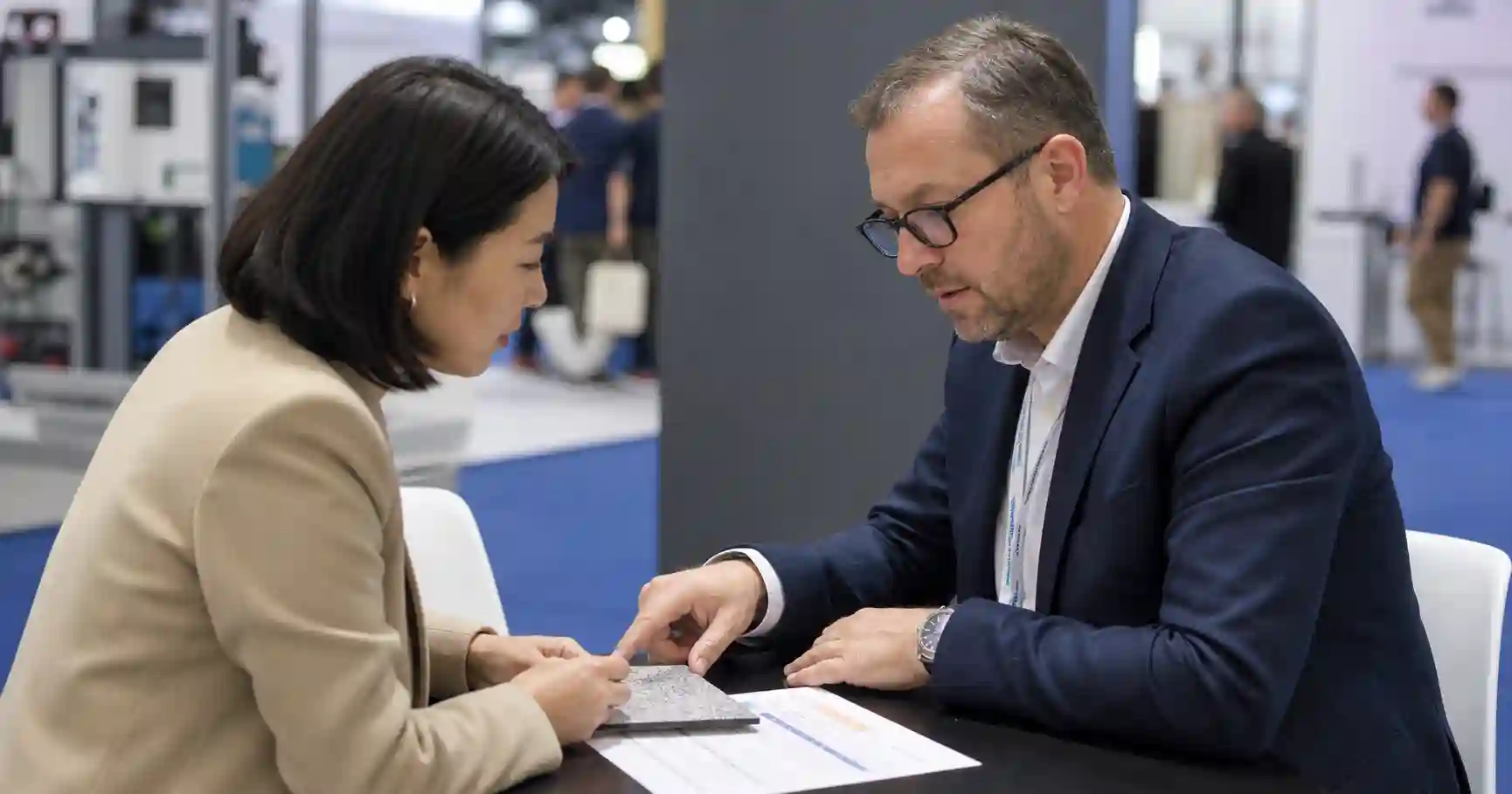
 Scenes from CBME China 2025; explore international brands for market entry planning. © CBME China
The market now encompasses diverse channels including mother-and-baby specialty stores, department stores, supermarkets, e-commerce platforms, social commerce, and cross-border e-commerce. Most successful brands use a combination of these channels to maximize market reach and accessibility.
CBME China serves as the premier platform for understanding this landscape. The exhibition brings together over 4,500 brands, 3,200+ exhibitors, and 100,000+ trade buyers across nearly 300,000m² of exhibition space at the National Exhibition and Convention Center in Shanghai. For overseas brands, attending or exhibiting at CBME China provides firsthand insight into competitive positioning, emerging trends, and potential partnership opportunities.
Product categories at CBME China span the full spectrum of baby and maternity needs:
- Mother and baby care products (35.2% of exhibitors)
- Food and nutraceuticals (21%)
- Strollers, car seats and furniture (17.9%)
- Baby and kids wear (15.3%)
- Toys and educational products (10.7%)
Understanding which categories align with your product portfolio helps you focus your market entry strategy effectively.
Four Pathways to Enter the China Baby Products Market
Overseas brands can enter China through multiple pathways, each with different investment levels, regulatory requirements, and market control. Choosing the right approach depends on your product category, budget, and timeline.
Direct Subsidiary Establishment
Establishing a China subsidiary or office gives brands maximum control over their market entry. This approach involves registering a legal entity in China, obtaining necessary business licenses, and building direct relationships with distributors and retailers. Brands pursuing this pathway can develop tailored go-to-market strategies and maintain full brand positioning control.
However, this approach requires significant investment in market understanding, regulatory compliance, and operational infrastructure. Brands must navigate Chinese business regulations, tax requirements, and employment laws while building local teams capable of executing distribution strategies effectively.
Partnership with Local Distributors
Working with established distributors provides faster market access through existing distribution networks and local expertise. Distributors typically handle import logistics, regulatory compliance coordination, and relationship management with retail partners. For overseas brands new to China, partnering with experienced distributors can accelerate market penetration while reducing operational complexity.
When selecting distribution partners, evaluate their existing brand portfolios, retail relationships, and understanding of your specific product category. The right distributor should complement your brand positioning and have established access to your target retail channels.
Cross-Border E-Commerce Platforms
Cross-border e-commerce (CBEC) has emerged as the fastest route for new brands to enter China. Platforms like Tmall Global and JD Worldwide allow overseas brands to sell directly to Chinese consumers without establishing a Chinese legal entity. Products sold via CBEC are classified as personal imports and generally exempt from domestic product registration and Chinese-language labelling requirements.
CBEC is particularly suitable for baby skincare products, supplements, and items where existing home-market certifications (EU, FDA, or equivalent) are accepted. However, infant formula sold domestically requires full SAMR registration regardless of entry pathway. The CBEC approach offers relatively quick market entry—typically 4-8 weeks—with lower initial investment compared to establishing distribution infrastructure.
Trade Show Networking via CBME China
Attending or exhibiting at CBME China provides invaluable market intelligence and partnership-building opportunities. The event’s Hosted Buyer Program facilitates one-to-one meetings between qualified buyers and exhibitors, creating structured opportunities to identify potential distribution partners, understand competitive offerings, and evaluate market demand firsthand.
For brands new to the China market, attending CBME China before committing to a distribution partnership allows you to evaluate the competitive landscape, identify potential partners, and understand product positioning strategies that work in the Chinese context.
Key Considerations Before Entering the Market
Trademark Protection
China operates a first-to-file trademark system, meaning the first party to file an application obtains trademark rights regardless of prior use elsewhere. Registering your brand and logo with the China National Intellectual Property Administration (CNIPA) should be completed before entering the market. Major e-commerce platforms like Tmall and JD typically require a trademark certificate or at least a filing receipt to open flagship or brand stores.
Regulatory Compliance
Baby products are among the most heavily regulated categories in China. Regulatory requirements vary significantly by product type:
- Infant formula: Requires SAMR registration with extensive testing and formula disclosure
- Baby skincare products: Requires NMPA filing and compliance with Chinese safety standards
- Baby food: Requires GACC facility registration and CIQ inspection
For products sold via cross-border e-commerce, regulatory requirements are generally less stringent as these are classified as personal imports. However, brands should verify specific requirements for their product categories and stay informed about regulatory updates.
Digital Presence and Trust Building
Chinese parents are highly cautious when purchasing products for their children, prioritizing safety certification, brand credibility, and peer recommendations over price considerations alone. Building digital trust requires presence across multiple platforms:
- Xiaohongshu (Little Red Book): Primary discovery channel for parenting and baby product recommendations
- Douyin: Short-video platform for product education and livestream sales
- WeChat: Ecosystem for community building and customer service
- Tmall and JD: Conversion platforms for final purchase decisions
Successful brands invest in content marketing, influencer partnerships, and authentic customer reviews to build credibility before focusing on direct sales.
How CBME China Supports Your Market Entry
CBME China serves as both a product discovery platform and business matchmaking venue. The exhibition offers multiple touchpoints for market entry planning:
- Pre-Show Product Spotlight: Monthly previews of exhibiting products help you shortlist potential partners before attending.
- Hosted Buyer Program: Structured matchmaking between qualified international buyers and relevant exhibitors accelerates partnership identification. Apply before 30 May 2026 for CBME China 2026.
- International Pavilions: Dedicated zones for overseas brands demonstrate the exhibition’s commitment to facilitating cross-border business.
- Supply Chain Discovery: CBME Supply Chain Expo connects brands with packaging, OEM/ODM, and ingredient suppliers essential for market entry.
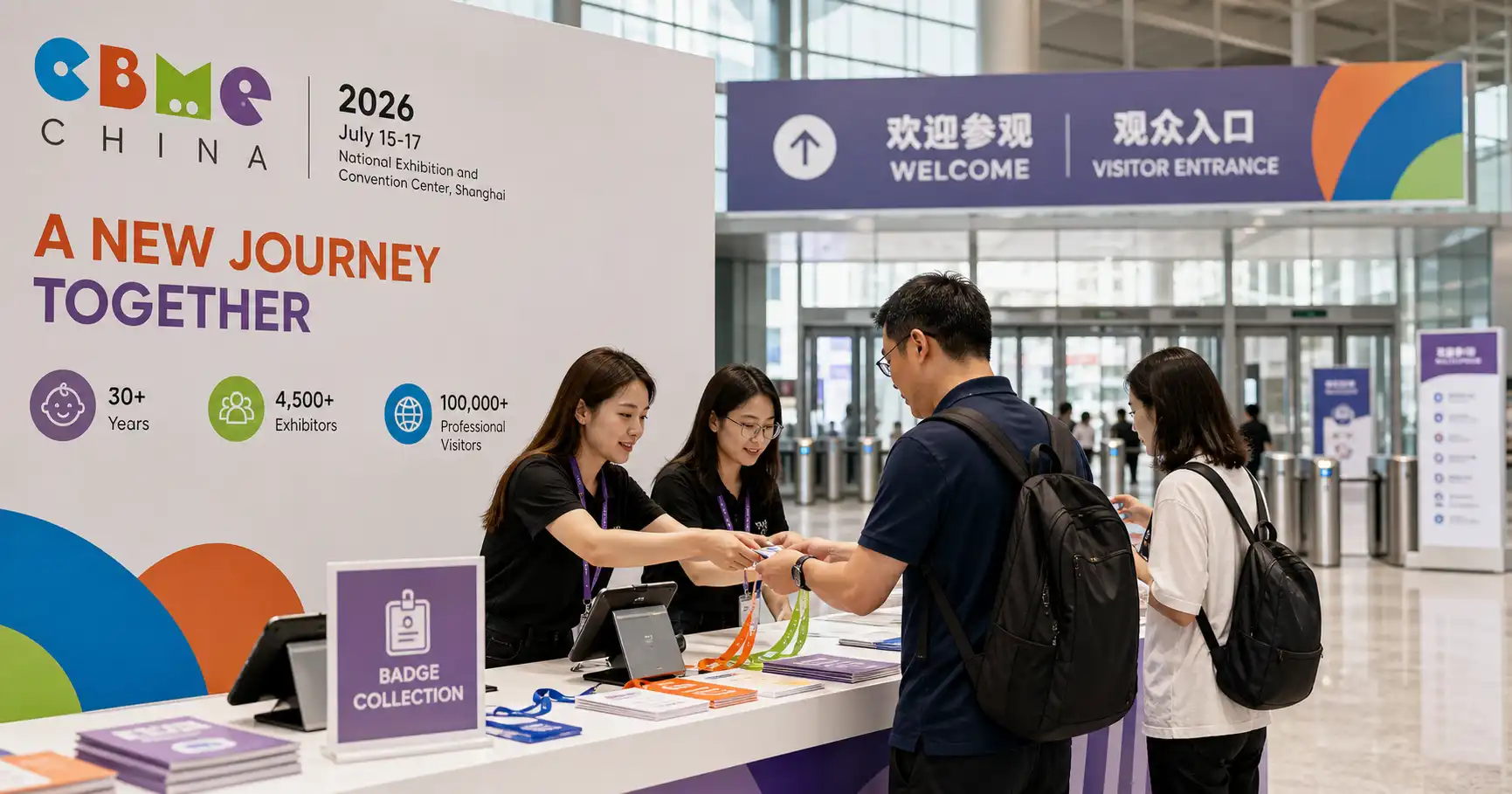
 Scenes from CBME China 2025; connect with partners for China market entry. © CBME China
Attending CBME China 2026 (July 15-17 at NECC Shanghai) provides direct access to thousands of potential partners, industry insights, and competitive intelligence that informs your market entry strategy.
Frequently Asked Questions
What is the fastest way to enter the China baby products market?
Cross-border e-commerce platforms like Tmall Global or JD Worldwide typically offer the fastest entry pathway, often launching within 4-8 weeks. This approach requires minimal initial investment and avoids the need for a Chinese legal entity. However, long-term success usually requires building additional distribution channels beyond CBEC.
Do I need a Chinese company to sell baby products in China?
Not necessarily. Cross-border e-commerce platforms allow sales without a Chinese legal entity. However, if you plan to sell through domestic retail channels, distribute to physical stores, or expand significantly, establishing a Chinese subsidiary or partnering with an import entity becomes necessary.
What certifications do baby products need for China?
Requirements vary by category. Baby skincare products require NMPA filing. Baby food requires GACC facility registration and CIQ inspection. Infant formula requires SAMR registration regardless of entry pathway. Products sold via cross-border e-commerce generally accept home-market certifications, but it’s essential to verify specific requirements for your product type.
How important is trademark registration in China?
Extremely important. China follows a first-to-file system, meaning someone else can register your trademark if you don’t act quickly. File your trademark with CNIPA before entering the market or engaging with distributors. This protects your brand and is typically required by major e-commerce platforms.
When should I attend CBME China?
If you’re considering entering the China market, attending CBME China before committing to partnerships provides invaluable market intelligence. The exhibition allows you to evaluate the competitive landscape, meet potential partners, and understand what Chinese buyers are seeking. Book early to secure visitor registration and access the Hosted Buyer Program.
Official Sources
Published by CBME China Editorial Team
Last reviewed: June 21, 2026 | Published: June 21, 2026 | Publisher: CBME China, a division of Informa
Ready to explore market entry opportunities? CBME China 2026 brings together the brands, distributors, and industry expertise you need to plan your China market entry strategy. Contact CBME to learn more about exhibiting or attending as an international visitor.