Baby Furniture and Nursery Product Manufacturers in China: A Sourcing Guide for Global Buyers
China produces one of the world’s deepest concentrations of baby furniture manufacturers, with industrial clusters across Guangdong, Zhejiang, Jiangsu, and Shanghai. For global retailers, importers, and private-label brands, finding reliable baby furniture suppliers in China requires understanding manufacturing capabilities, compliance requirements, and the right sourcing channels.
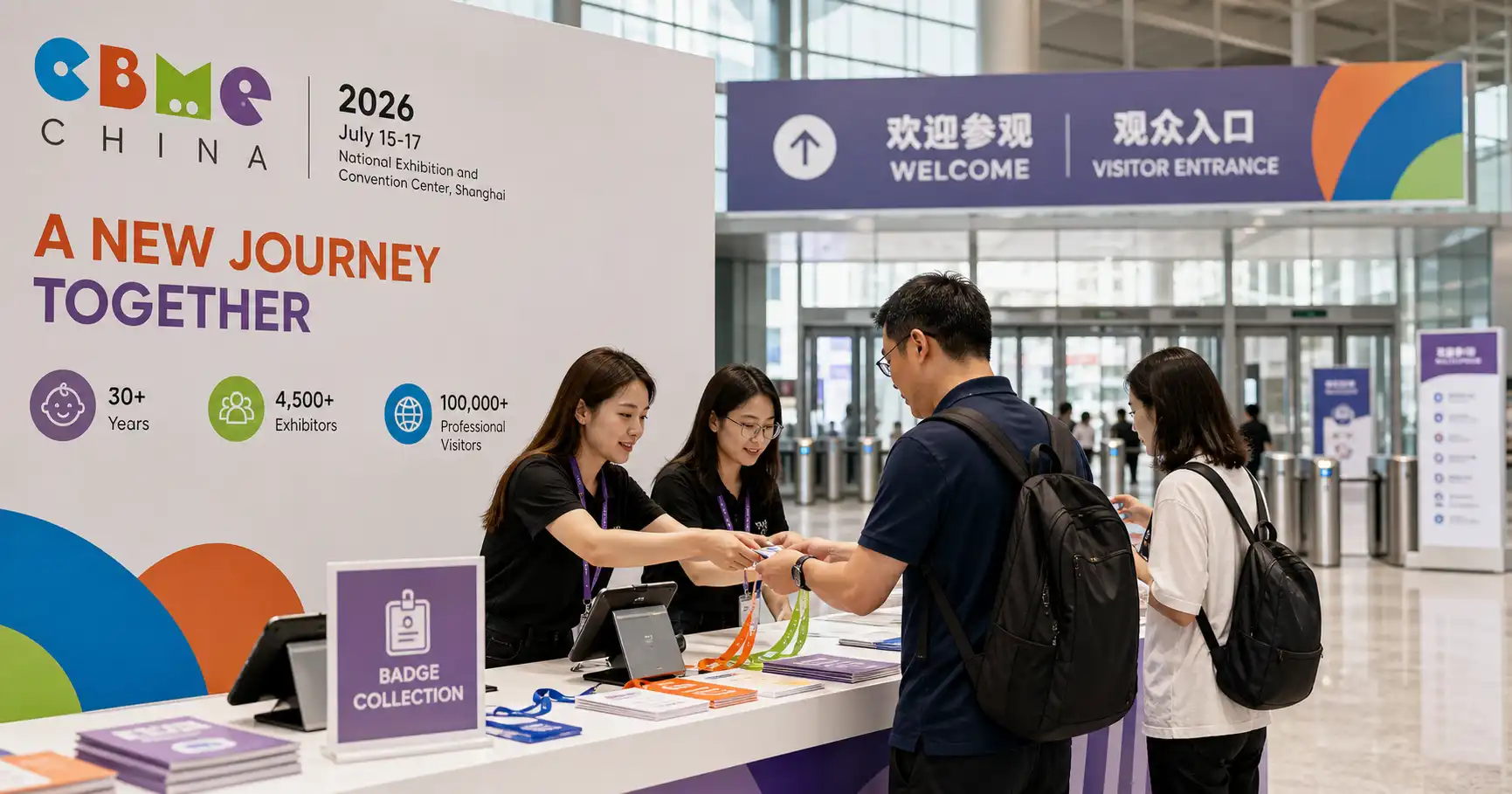
CBME China 2026 (July 15–17, NECC Shanghai) brings together 2,800+ exhibitors across the complete baby product spectrum—including dedicated zones for strollers, car seats, furniture, and nursery products. This guide walks you through what to know before you source and how CBME China helps you connect with the right manufacturers.
CBME China 2026
- Date: July 15–17, 2026
- Venue: National Exhibition and Convention Center (NECC), Shanghai
- Categories: Strollers, Car Seats, Furniture, Cribs, High Chairs, Nursery Products
- Scale: 2,800+ verified brands, manufacturers, and OEM partners
- Register: Register to Visit CBME China 2026
Why Source Baby Furniture from China
China’s baby furniture manufacturing sector offers three key advantages for international buyers:
Manufacturing depth. Chinese factories produce the full range of nursery furniture—from cribs and highchairs to changing tables, gliders, and multi-functional growth systems. The country’s manufacturing ecosystem supports everything from cost-focused bulk production to design-forward premium lines.
Scalable production. Whether you need 500 units or 50,000, Chinese manufacturers can typically accommodate a wide range of order volumes. Many factories specialize in specific furniture categories, allowing buyers to match with suppliers whose capabilities align with their product roadmap.
Export experience. A significant number of Chinese baby furniture manufacturers have established export track records to North America, Europe, and Southeast Asia. This experience means many are familiar with international compliance standards and packaging requirements.
Key Product Categories for Baby Furniture Sourcing
When sourcing baby furniture from China, you will encounter suppliers across several product categories:
Cribs and Bassinets. From standard fixed-side cribs to convertible models that transition from crib to toddler bed, manufacturers offer a wide range of designs. Safety compliance (ASTM, EN, or local standards) is critical when evaluating crib suppliers.

High Chairs and Dining Chairs. Feeding furniture ranges from simple wooden high chairs to multi-functional designs that convert between high chair, dining chair, and learning tower configurations.
Gliders and Rockers. Nursery seating includes traditional rockers, powered gliders, and combination designs. Many manufacturers offer customization for fabric, frame finish, and functionality.
Nursery Storage and Changing Units. Dressers, wardrobes, and combination changing tables serve the storage needs of nurseries. Some suppliers offer modular systems that grow with the child.
Playpens and Play Yards. Portable and fixed play spaces represent another active sourcing category, with options ranging from basic designs to feature-rich models with changing stations and activity centers.
How to Find Baby Furniture Manufacturers at CBME China
CBME China 2026 features dedicated furniture zones across multiple exhibition halls. The Strollers, Car Seats & Furniture hall specifically showcases furniture manufacturers alongside mobility products.
Step 1: Pre-Show Preparation
Before attending CBME China, define your sourcing criteria:
- Target product categories (cribs, high chairs, seating, etc.)
- Minimum order quantities and production timelines
- Compliance certifications required for your target markets
- Customization or branding requirements (OEM/ODM)
- Budget range and pricing expectations
Use the CBME China Product Spotlight (available monthly on the official website) to identify furniture exhibitors before the show. Flag suppliers matching your criteria and research their profiles on the CBME website for export history and certifications.
Step 2: Onsite Evaluation
At the exhibition, approach furniture supplier booths with a structured evaluation checklist:
- Production capabilities. Ask about factory location, workforce size, and annual production capacity.
- Compliance certifications. Request copies of relevant certifications (ISO, CE, ASTM, EN) and verify them independently with issuing bodies.
- Export experience. Discuss their track record with buyers in your target markets.
- Customization options. For private-label or custom designs, review their OEM/ODM capabilities.
- Sample availability. Request samples and confirm sample costs and shipping timelines.

Step 3: Post-Show Follow-Up
After CBME China, organize your contacts by priority. Reach out to shortlisted suppliers within two weeks to:
- Request detailed quotations
- Discuss customization specifications
- Arrange sample orders
- Negotiate terms and timelines
For buyers seeking direct factory relationships, the CBME Hosted Buyer Program facilitates pre-scheduled appointments with verified manufacturers.
Explore Product Spotlight
Use the monthly CBME China Product Spotlight to shortlist furniture exhibitors before the show. Download the latest issue to identify which manufacturers are showcasing nursery products, baby seating, and multi-functional furniture at CBME China 2026.
Download CBME Product Spotlight
Baby Furniture Manufacturing Hubs in China
Understanding China’s manufacturing geography helps when evaluating supplier capabilities:
Guangdong Province. Home to a high concentration of furniture manufacturers, particularly in cities like Dongguan and Foshan. Many factories here specialize in metal and wooden furniture with established export channels.
Zhejiang Province. Notable for modular and multi-functional furniture designs. Companies in Hangzhou and Ningbo often focus on innovation and design-forward products.
Jiangsu Province. Manufacturing centers around Suzhou and Nanjing produce a mix of wooden and engineered furniture, with good access to wood materials and finishing facilities.
Shanghai. Proximity to the port and international business infrastructure makes Shanghai-based manufacturers attractive for buyers prioritizing logistics convenience.
Compliance and Quality Considerations
When sourcing baby furniture from China, compliance is non-negotiable. Different markets require different standards:
| Market | Key Standards | What to Verify |
|---|---|---|
| United States | ASTM F1169 (cribs), JPMA certification | Test reports from CPSC-accepted labs |
| European Union | EN 716 (cribs), EN 12790 (bassinets), EN 14988 (high chairs) | CE marking, EN standard compliance |
| Australia | AS 2172 (cribs), AS 4684 (high chairs) | ACCC compliance documentation |
| General | ISO 9001 (factory quality) | Factory audit reports |
Request third-party test reports for your specific markets. Do not rely solely on supplier-provided certificates—verify with the issuing certification body or request independent lab testing for your shipment.
Frequently Asked Questions
What is the typical MOQ for baby furniture from China?
Minimum order quantities vary by manufacturer and product complexity. Standard nursery furniture (cribs, high chairs) may have MOQs of 200–500 units per SKU, while highly customized or premium products might require 100 units. Contact individual suppliers for their specific terms.
Can I get custom designs or private-label baby furniture from Chinese manufacturers?
Yes. Many Chinese baby furniture manufacturers offer OEM (Original Equipment Manufacturing) and ODM (Original Design Manufacturing) services. You can provide specifications for custom designs, or work with suppliers who have existing designs for white-label or private-label arrangements. Discuss your branding, packaging, and compliance requirements during supplier evaluation.
How do I verify Chinese baby furniture manufacturer credentials?
Verify credentials through multiple channels: request factory audits, check third-party verification services, confirm certifications with issuing bodies, and request references from previous buyers in your target markets. CBME China’s verified exhibitor directory provides a starting point for identifying suppliers with established export track records.
What is the typical production lead time for baby furniture?
Production lead times typically range from 30–60 days for standard orders, depending on factory capacity and order volume. Customized or private-label orders may require 60–90 days including sample approval and tooling preparation. Factor in shipping time (30–45 days for sea freight) when planning your procurement timeline.
How does CBME China help me find furniture suppliers?
CBME China serves as a centralized sourcing platform where you can meet multiple furniture manufacturers in one location over three days. The exhibition features dedicated product zones, pre-show Product Spotlight materials, and matchmaking services through the Hosted Buyer Program. This compressed sourcing model allows buyers to evaluate and compare suppliers efficiently before committing to relationships.
Official Sources
- CBME China About — Event details, exhibition profile, and visitor information
- CBME China Factory Sourcing — Manufacturing hub information and supplier zones
- CBME China Product Spotlight — Monthly previews of exhibiting suppliers
- CBME China Hosted Buyer Program — Matchmaking services for qualified buyers
Published by CBME China Editorial Team
Last reviewed: June 30, 2026 | Published: June 30, 2026 | Publisher: CBME China, a division of Informa
Register to Visit CBME China 2026
Ready to connect with baby furniture manufacturers in person? Register to visit CBME China 2026 (July 15–17, NECC Shanghai) and walk the furniture halls to find your next production partner.