Baby and maternity products face stricter regulatory scrutiny than most consumer goods categories. From diapers and skincare to strollers, car seats, and clothing, every category has its own safety standards and documentation requirements that vary by destination market — EU, US, Australia, Southeast Asia.
The risk is not just regulatory. A non-compliant shipment can be detained at customs, rejected by retail buyers, or trigger recalls that damage your brand. Getting ahead of these checks before you meet suppliers — not after you sign a contract — is the single most effective risk-reduction step a buyer can take.
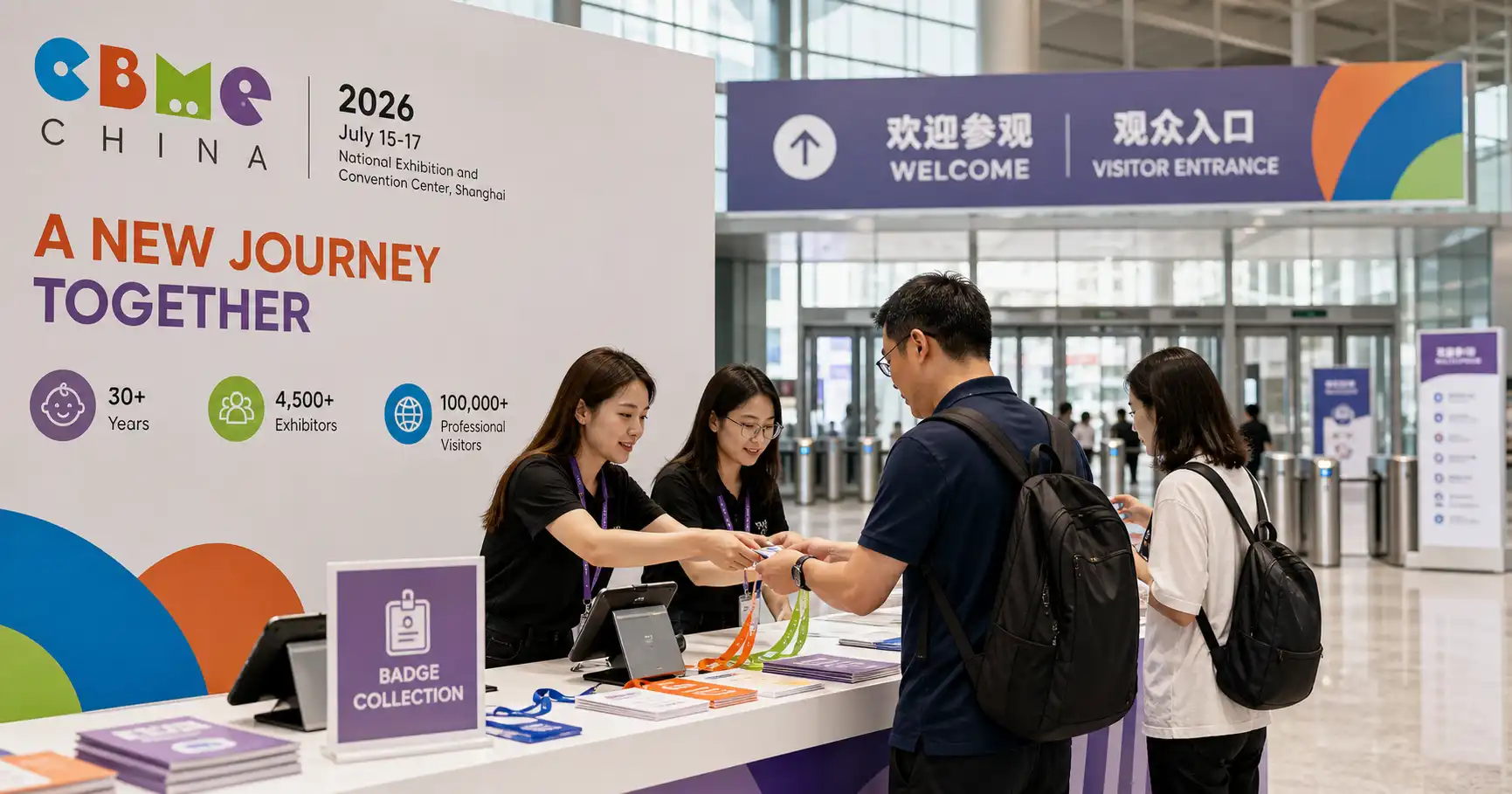
CBME China 2026
- Dates: July 15–17, 2026
- Venue: NECC (National Exhibition and Convention Center), Shanghai
- Scale: 3,200+ exhibitors across nearly 300,000 m² of exhibition space
- Audiences: 100,000+ trade buyers, including international visitors and hosted buyer matchmaking
- Pre-show tool: Download the monthly Product Spotlight to shortlist compliant suppliers before the show
Why Compliance Matters More in Baby Products
Products that come into contact with infants — diapers, feeding items, skincare, strollers, car seats, clothing — are subject to safety standards in the destination market. These requirements vary significantly between the EU, US, Australia, and Southeast Asia. The same baby bottle, for example, may pass EU EN 14350 testing but require additional FDA compliance paperwork for the US market.
Beyond regulations, retail buyers (especially large chains and online marketplaces) impose their own standards on suppliers. Failing those retailer-specific tests can mean lost orders even after a product passes national safety standards.
For an importer or brand buyer, that is why compliance preparation is a sourcing decision, not an after-sale task. The buyers who plan for compliance before they reach out to factories are the ones who move from sample to first PO to repeat order fastest — and with the lowest defect rate. For a step-by-step framework on finding and vetting suppliers, see our complete sourcing guide for global buyers.
Use the Product Spotlight: Explore the Product Spotlight to shortlist compliant suppliers before CBME China 2026 opens July 15.
Key Quality and Compliance Areas for Baby Product Buyers
1. Product Safety Certifications
Ask every supplier which certifications their products hold, and verify that those certificates are current, unrevoked, and issued by an accredited third-party body. Ask for the certificate number and check it on the issuing body’s website.
| Product Category | Certifications Often Required |
|---|---|
| Baby clothing and textiles | OEKO-TEX Standard 100, EN 14682 (EU), ASTM F963 (US) |
| Strollers and car seats | EN 1888 (EU), ASTM F833, FMVSS 213 (US car seats) |
| Baby skincare and cosmetics | EU Cosmetics Regulation, GB standards (China domestic) |
| Feeding products (bottles, cups) | BPA-free declaration, EN 14350, FDA compliance |
| Toys and educational products | EN 71 (EU), ASTM F963 (US), CE marking |
| Diapers and hygiene products | GB/T standards, third-party dermatological test reports |
Important: Certification requirements change. Verify current standards with your country’s regulatory body or a qualified compliance consultant before finalizing any sourcing decision. This guide is a starting checklist, not legal advice.
2. Factory Audit and Quality Management
Before requesting samples, ask the supplier whether they operate a certified quality management system. A supplier without an active QMS is a higher-risk partner regardless of price.
Questions to ask:
- Do you hold ISO 9001 or equivalent QMS certification?
- Have you undergone third-party factory audits (BSCI, Sedex, Intertek, SGS, Bureau Veritas)?
- Can you provide the most recent audit report?
- What is your in-house QC process — do you have dedicated QC staff?
- Where is production carried out — your own factory or subcontractors?
If a supplier cannot answer these questions clearly, treat it as a yellow flag requiring further due diligence.
3. Material and Ingredient Transparency
For products that contact infant skin or are ingested, material traceability matters. Ask for documentation you can verify independently.
What to request:
- Material safety data sheets (MSDS) for fabrics, foams, plastics, and coatings
- Ingredient lists for skincare and personal care items
- Heavy metal test reports (especially for paints, dyes, hardware)
- Restricted substance list (RSL) compliance declaration
- Country of origin for raw materials (relevant for trade compliance)
4. Labelling and Packaging Requirements
Retail buyers and customs authorities check labelling. Non-compliant labels can block a shipment at the border even if the product itself passes safety tests.
Standard labelling questions:
- Does your packaging include the required language for the destination market?
- Are age-grading warnings present on toys and gear?
- Is the country of origin clearly marked?
- Are washing and care instructions correct for your textile products?
- Does the label comply with the importer’s own private-label requirements if applicable?
5. Sample and Pre-Production Inspection
Never rely solely on a supplier’s word or marketing materials. Requesting samples and conducting pre-production inspections are standard practice for professional buyers.
Process steps:
- Request product samples before any commitment
- Test samples independently (send to an accredited lab in your market)
- Agree on a Golden Sample — a signed-off reference sample
- Specify inspection checkpoints: pre-production, in-line, pre-shipment
- Define AQL (Acceptable Quality Level) tolerances in your purchase agreement
6. Social and Ethical Compliance
An increasing number of global retailers require suppliers to meet labour standards and environmental benchmarks. This is no longer just a “nice to have” — for many buyers it is a procurement prerequisite.
Topics to cover:
- Supplier’s code of conduct policies
- Child labour and working hours policies
- Environmental management — waste, water, carbon reporting
- Whether they can share a recent sustainability audit
How to Use CBME China 2026 to Check Compliance Readiness
Meeting suppliers in person at CBME China 2026 (July 15–17, NECC Shanghai) allows you to verify compliance in ways that email and video calls cannot:
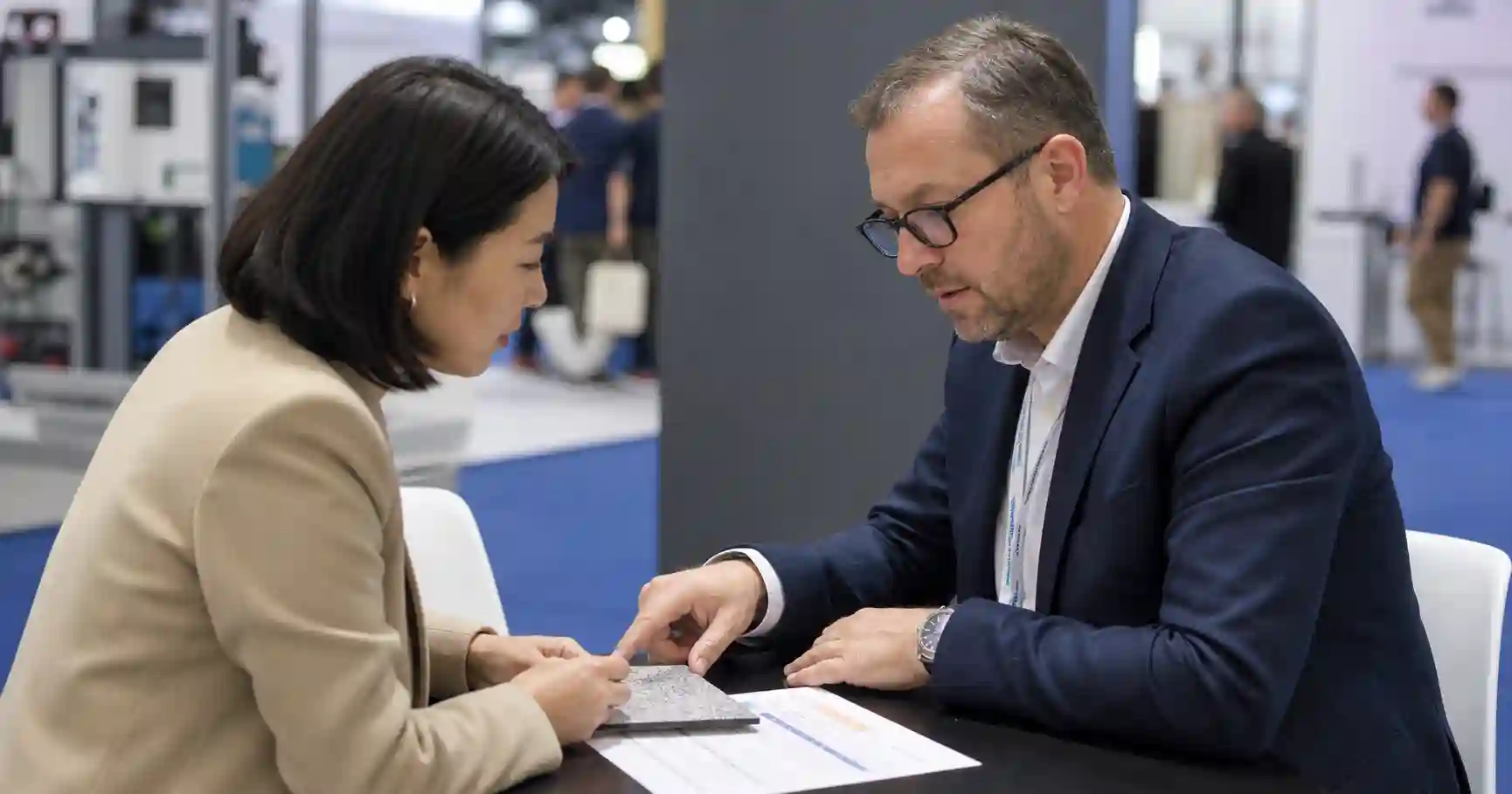
- Review physical samples and documents side by side. Inspect sample stitching, finish, materials, and packaging — and compare them with the certificates the supplier presents.
- Ask follow-up questions in real time. In-person conversations (with translation support if needed) let you probe deeper on factory conditions and audit history.
- Compare multiple suppliers in the same hall. Move from booth to booth and judge quality consistency across competing offers in one trip.
- Use Hosted Buyer Program matchmaking. CBME China runs a Hosted Buyer Program that pre-schedules 1-on-1 meetings with vetted exhibitors, saving you time on the show floor.
CBME China covers the full supply chain: from raw material and packaging partners in the Supply Chain Expo to finished goods manufacturers across all baby and maternity categories. According to the official Why Visit page, the exhibitor category breakdown is:
| Category | Share of Exhibitors |
|---|---|
| Mother and baby care products | 35.2% |
| Food, nutraceuticals, snacks for CBM | 21% |
| Strollers, car seats and furniture | 17.9% |
| Baby and kids wear, shoes and accessories | 15.3% |
| Toys, study tables and stationery | 10.7% |


Compliance Checklist: Questions to Bring to the Show Floor
Bring this checklist to every supplier meeting at CBME China 2026:
- Which certifications does this product hold, and are they current?
- Has the factory undergone a third-party audit in the last 12 months?
- Can you provide the test report and audit report today?
- Are materials compliant with my destination market’s restricted substances list?
- What is the Golden Sample process?
- Who conducts pre-shipment inspection — your team or a third party?
- Are labels compliant for my market (language, age grading, origin)?
- What is your social compliance policy and last audit date?
- Can you accommodate private-label packaging and certification registration transfer?
Frequently Asked Questions
What is the difference between GB standards and international standards?
China’s GB (Guobiao) standards are mandatory national standards set by the Standardization Administration of China (SAC). They apply to products sold domestically in China. Products exported to the EU or US need to meet EN or ASTM/CPSC standards instead. Some Chinese manufacturers produce to both sets of standards; always confirm which applies to your export order.
Does attending CBME China guarantee that suppliers are certified?
No. CBME China is a trade exhibition. Attending the show does not imply certification or regulatory approval by the organizers. Buyers are responsible for independently verifying all certifications, audit reports, and compliance claims for every supplier they work with.
How long does third-party product testing take?
Turnaround time depends on the lab and product type, but allow 2–6 weeks for a full compliance test report. Factor this into your sourcing timeline so you are not delaying production.
Should I use a sourcing agent or do it myself?
Both approaches are common. Experienced buyers often handle sourcing directly at trade shows and use third-party labs for testing. Less experienced importers benefit from working with a licensed sourcing agent or compliance consultant in China who understands local factory conditions and regulatory requirements.
Can I request compliance documents before visiting a supplier’s booth?
Yes. Use the CBME China Product Spotlight to identify exhibitors in advance, research their company profiles, and email key compliance questions before the show. Arriving prepared saves time on the floor.
Official Sources
Related Articles
- How to Source Baby Products from China: A Guide for Global Buyers (Day 4 — Sourcing Cluster)
- How to Find Reliable Baby Product Suppliers at CBME China 2026 (Day 5 — Supplier Discovery)
- Baby Products OEM/ODM in China: Private Label and White Label Guide (Day 6 — OEM/ODM Cluster)
- Private Label Baby Products in China: What Retailers Should Know (Day 7 — Private Label Cluster)
Published by CBME China Editorial Team
Last reviewed: July 7, 2026 | Published: July 7, 2026 | Publisher: CBME China, a division of Informa
Ready to verify baby product compliance in person? CBME China 2026 runs July 15–17 at NECC Shanghai, bringing together 3,200+ exhibitors and 100,000+ trade buyers from around the world. Meet your next supplier, verify quality in person, and build your compliance-ready sourcing list. Register to Visit CBME China 2026