How to Meet Distributors and Retailers for Baby Products in China
China’s baby and maternity market represents one of the world’s most dynamic retail landscapes. With thousands of distributors, regional retailers, and specialized mother-and-baby store chains operating across the country, finding the right channel partners can define your brand’s success or struggles in this market.
This guide walks you through how to identify, evaluate, and connect with baby product distributors and retailers in China—focusing on practical discovery methods, verification steps, and why CBME China 2026 (July 15-17, NECC Shanghai) serves as the most efficient annual platform for these introductions.
CBME China 2026
- Date: July 15-17, 2026
- Venue: National Exhibition and Convention Center (NECC), Shanghai
- Exhibitors: 2,800+ exhibitors across baby and maternity categories
- Register: Register to Visit
Why China Baby Product Distribution Matters
China’s baby product distribution network operates through multiple layers, from national distributors serving major e-commerce platforms to regional wholesalers covering specific provinces and city clusters. Understanding this structure matters because your entry point determines your reach.
The distribution landscape for baby products in China includes:
- National distributors: Handle brands across multiple provinces, work with major e-commerce platforms
- Regional distributors: Focus on specific provinces or city tiers (Tier 1, 2, 3, 4)
- Specialized baby retailers: Chain stores and single-location shops focused exclusively on mother and baby categories
- Hybrid channels: Brands combining offline distribution with direct-to-consumer e-commerce
Your product category influences which channel works best. Infant formula and baby food typically require established national distribution partners with cold-chain logistics. Baby gear and nursery products suit regional distributors with warehouse capabilities. Apparel and accessories can flow through specialized baby retail chains or multi-category distributors.
Before approaching any distributor, define your product positioning, target consumer demographics, and pricing architecture. Distributors assess brands based on margin potential, brand recognition, and whether the brand fills a gap in their existing portfolio.
Where to Find Baby Product Distributors in China
Trade Shows: The Highest-Yield Discovery Channel
Trade shows remain the most efficient method to meet multiple verified distributors in compressed time. Unlike online directories where verification takes weeks, trade show meetings happen face-to-face with decision-makers who control distribution agreements.
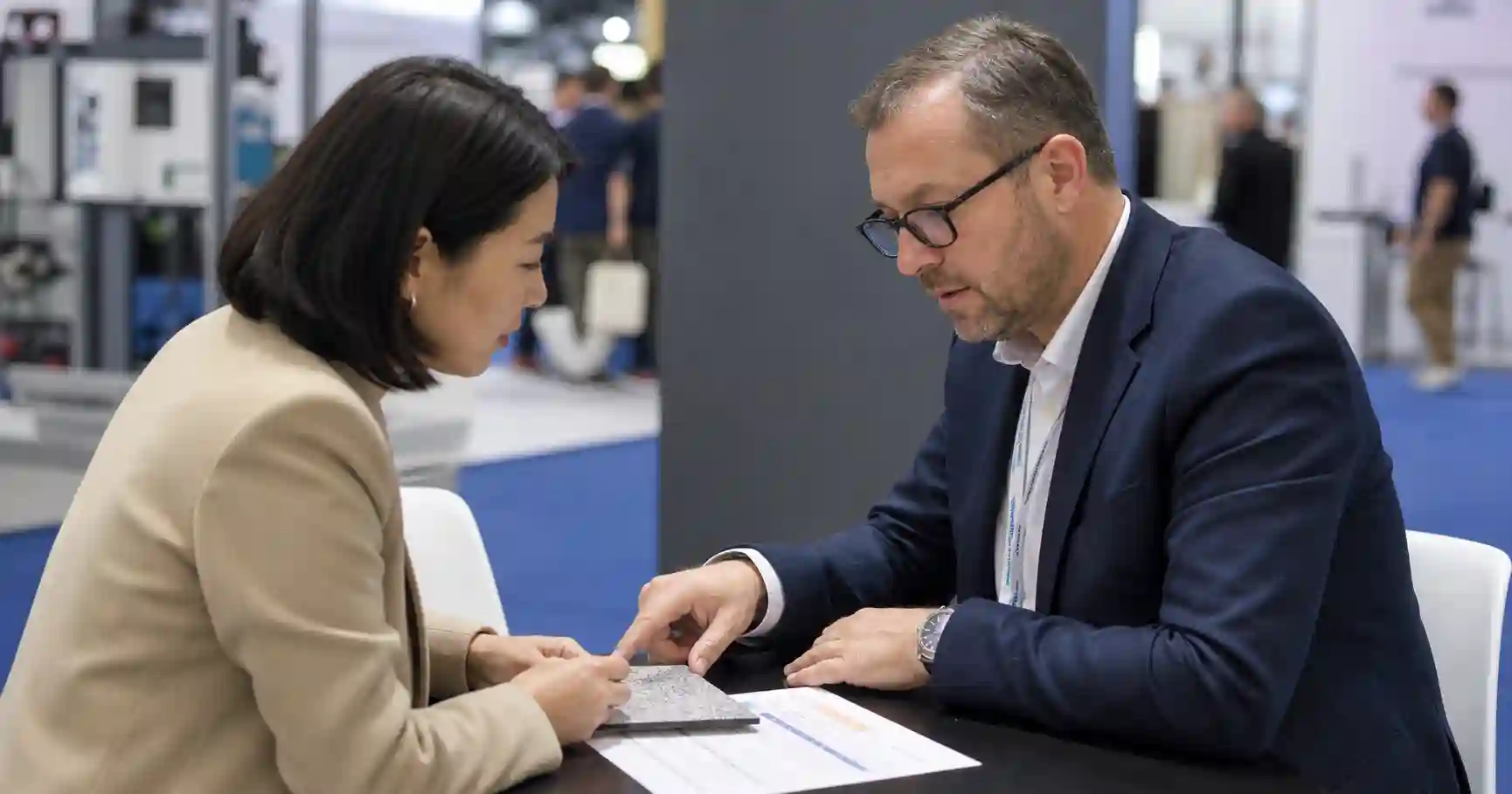
 Scenes from CBME China 2025; meet distributors face-to-face for business discussions. © CBME China
CBME China, held annually at the National Exhibition and Convention Center (NECC) in Shanghai, gathers 2,800+ exhibitors and thousands of trade visitors over three days (source: CBME China official site). This includes manufacturers, brand owners, and—critically for your search—regional and national distributors actively seeking new products.
When you attend CBME China 2026 (July 15-17), plan your distributor discovery systematically:
- Day 1: Scout the show floor, identify distributors in the product categories matching your line
- Day 2: Schedule meetings with shortlisted distributors, attend any retailer matchmaking sessions
- Day 3: Follow up on Day 2 conversations, collect materials for post-show evaluation
The CBME Hosted Buyer Program connects qualified international buyers with pre-screened exhibitors and distributors through scheduled one-on-one meetings (source: CBME China official site). If your purchasing volume qualifies, this program significantly compresses your discovery timeline.
B2B Sourcing Platforms
Online platforms complement trade show discovery:
- Alibaba.com: Large supplier database, filter by “trading company” or “manufacturer”
- Global Sources: Verified supplier directory with trade show integration
- Made-in-China.com: Manufacturing directory with export capability filters
When using B2B platforms, recognize that many listings are trading companies rather than manufacturers. Trading companies aggregate products from multiple factories—useful for product variety but potentially less competitive on pricing. If direct manufacturing partnerships matter to your business model, verify factory relationships explicitly.
Industry Associations and Chambers of Commerce
China’s baby products industry has regional associations in major manufacturing and trading hubs. The China Children and Infants Products Association provides introductions to member distributors. Provincial trade organizations in Guangdong, Zhejiang, and Fujian connect foreign brands with local distribution partners.
How to Evaluate Baby Product Distributors
Meeting potential distributors is only the beginning. Evaluation separates serious partners from unsuitable matches.
Business Verification Checklist
Before signing any distribution agreement, verify these fundamentals:
Business Registration: Cross-reference the company’s unified social credit code against China’s State Administration for Market Regulation database (gsxt.gov.cn). This confirms the company exists legally and reveals any operational status issues.
Operational Scale: Request information about their warehouse facilities, fleet size, and staff headcount. Distributors handling baby products need climate-controlled storage for sensitive items like formula and skincare products.
Financial Standing: Request trade references from existing brand partners. Reputable distributors maintain relationships with 3-5 international baby brands and can provide contact information for reference checks.
Market Coverage: Understand which provinces or city tiers they serve. A distributor claiming “national coverage” should demonstrate partnerships with regional sub-distributors or direct retail relationships in each tier.
Certification and Compliance Knowledge
Distributors handling baby products must navigate China’s product safety regulations. Verify that your potential partner understands:
- China Compulsory Certification (CCC): Required for products like strollers and car seats
- GB Standards: Chinese national standards specific to baby product categories
- Import regulations: Customs procedures, required documentation, and label requirements
If a distributor cannot explain their compliance processes confidently, this signals gaps in their operational capability.
Exclusivity Terms
Most distribution agreements in China include geographic or channel exclusivity clauses. Negotiate these carefully:
- Geographic scope: Define provinces, cities, or city tiers precisely
- Channel restrictions: Specify whether exclusivity covers online sales, offline retail, or both
- Sales minimums: Establish minimum purchase quantities to maintain exclusivity
- Termination clauses: Define conditions allowing either party to exit the agreement
Questions to Ask Potential Distributors
Approach distributor conversations with specific questions:
- “What baby product categories do you currently distribute?” — Assess portfolio fit and whether your products complement or compete with existing lines.
- “Which retail chains and stores do you supply directly?” — Identify their retail network strength. Key accounts include 孩子王, 爱婴室, and regional baby chain stores.
- “What logistics capabilities do you have?” — Cold-chain requirements for food and certain skincare products demand specialized handling.
- “Can you share references from two international baby brands you distribute?” — Direct references validate their operational claims.
- “What marketing or promotional support do you provide?” — Distributors vary from passive order-takers to active brand builders.
- “What are your payment terms and credit arrangements?” — Chinese distribution typically involves longer payment cycles than Western markets; understand expectations upfront.
- “What is your timeline expectation for reaching sales milestones?” — Align your product launch calendar with their market entry expectations.
CBME China: Your Annual Distribution Partner Discovery
CBME China 2026 serves as the central platform for distributor discovery because it concentrates decision-makers in one location during a defined window.
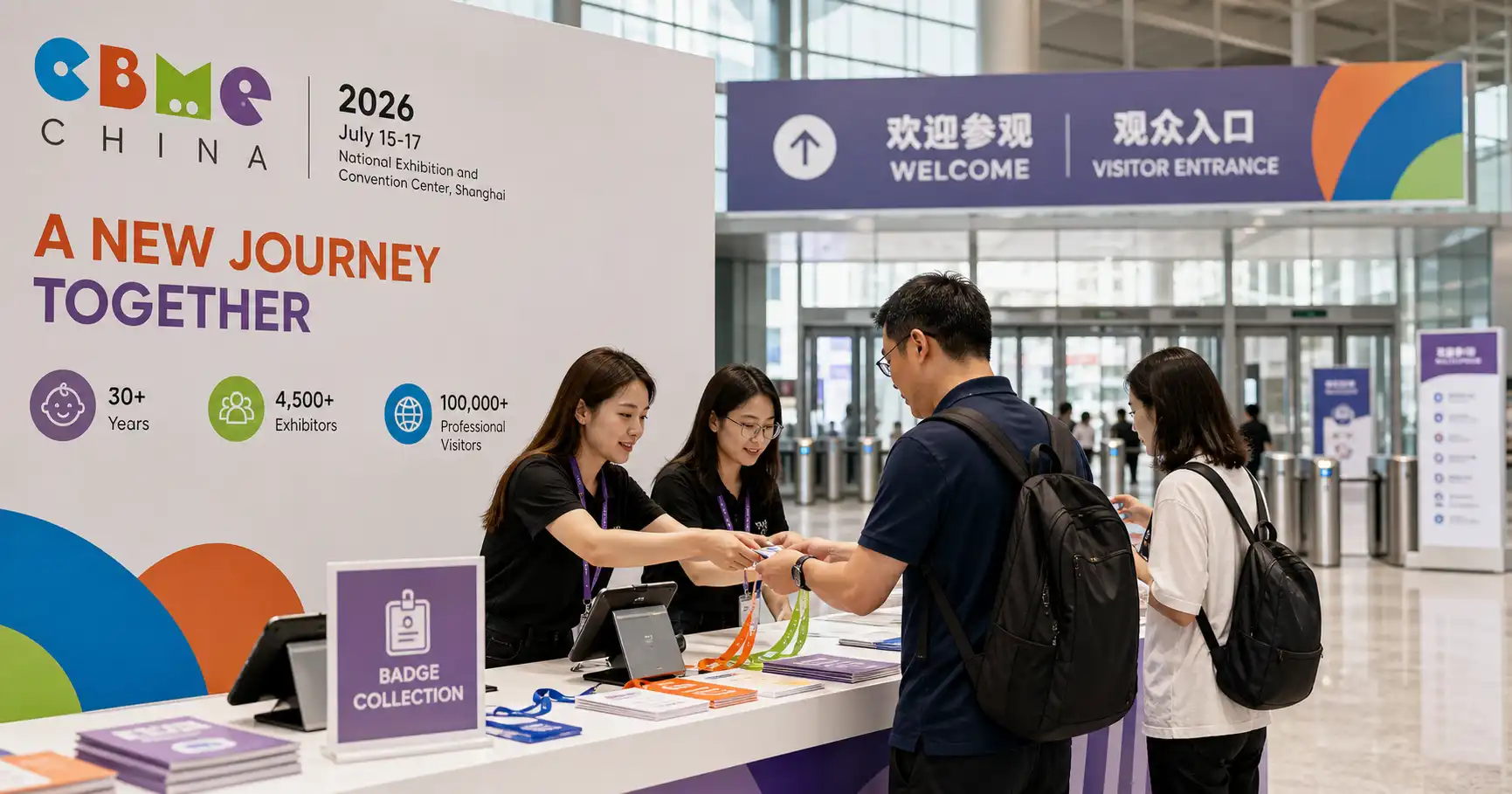
 Scenes from CBME China 2025; connect with distributors during structured matchmaking. © CBME China
When you register to visit CBME China 2026, you gain access to:
- Distributor pavilions: Organized zones where distribution companies showcase their portfolios
- Hosted Buyer matchmaking: Pre-scheduled meetings with distributors matched to your product requirements
- Industry conference sessions: Presentations from distribution experts on market trends and channel strategies
- Networking events: Structured and informal opportunities to build relationships
Prepare for CBME China 2026 by downloading the CBME Product Spotlight before the show. This monthly preview highlights exhibitor products, helping you identify potential distribution partners whose portfolios align with your positioning.
Retail Channel Opportunities Beyond Traditional Distribution
Beyond distributors, consider direct relationships with baby product retail chains:
National baby store chains like 孩子王 (Kidswant) and 爱婴室 (Motherscare) operate hundreds of stores across China. These chains sometimes prefer direct brand partnerships rather than working through distributors, particularly for premium or differentiated products.
E-commerce platforms including Tmall, JD.com, and Douyin have dedicated baby product sections. Platform partnerships may require distributor intermediaries or work directly with brands meeting platform requirements.
Cross-border e-commerce channels serve consumers seeking imported products. Distributors specializing in cross-border trade understand the regulatory pathways for importing baby products, including the duty structures and certification requirements for overseas manufactured goods.
Frequently Asked Questions
How do I find baby product distributors in China?
The most efficient method is attending trade shows like CBME China, where distributors gather alongside manufacturers. Supplement this with B2B platform research, industry association referrals, and warm introductions through existing China contacts. Always verify business credentials before engaging in detailed discussions.
What certifications should baby product distributors understand?
Distributors should demonstrate knowledge of CCC certification, GB standards, import documentation requirements, and label compliance. For exported products, they should understand destination country requirements (FDA for US market, CE marking for Europe).
How do I verify a Chinese distributor is legitimate?
Check business registration through China’s official database (gsxt.gov.cn), request trade references from existing brand partners, and verify physical operations by visiting warehouse facilities when possible. CBME China’s hosted buyer program pre-screens exhibitors, providing an additional verification layer.
What MOQ should I expect from Chinese distributors?
Minimum order quantities vary significantly by product category and distributor scale. Common ranges span from 500-2,000 units per SKU for apparel and accessories to 2,000-5,000+ units for manufactured goods like strollers. Negotiate MOQs based on your inventory capacity and market testing needs.
Is CBME China worth attending for distributor discovery?
Yes. CBME China concentrates 2,800+ exhibitors and thousands of trade visitors in one location over three days (source: CBME China official site). The efficiency gain compared to individual distributor visits across China makes the show investment worthwhile for brands serious about the Chinese market.
Official Sources
- About CBME China — Event information
- Why Visit CBME China — Buyer value proposition
- Hosted Buyer Program — Buyer matchmaking services
- Product Spotlight — Pre-show exhibitor preview
Published by CBME China Editorial Team
Last reviewed: June 22, 2026 | Published: June 22, 2026 | Publisher: CBME China, a division of Informa
Finding the right distribution partner requires research, relationship-building, and verification. CBME China 2026 (July 15-17, NECC Shanghai) offers the most efficient annual opportunity to meet, evaluate, and initiate conversations with distributors across the baby and maternity product spectrum.
Register to Visit CBME China 2026
Access the Hosted Buyer Program, download pre-show Product Spotlight materials, and connect with distributors during structured matchmaking sessions.
China Baby and Maternity Market Guide 2026 How Overseas Baby Brands Can Enter China How to Source Baby Products from China How to Plan a 3-Day Sourcing Trip to CBME China 2026