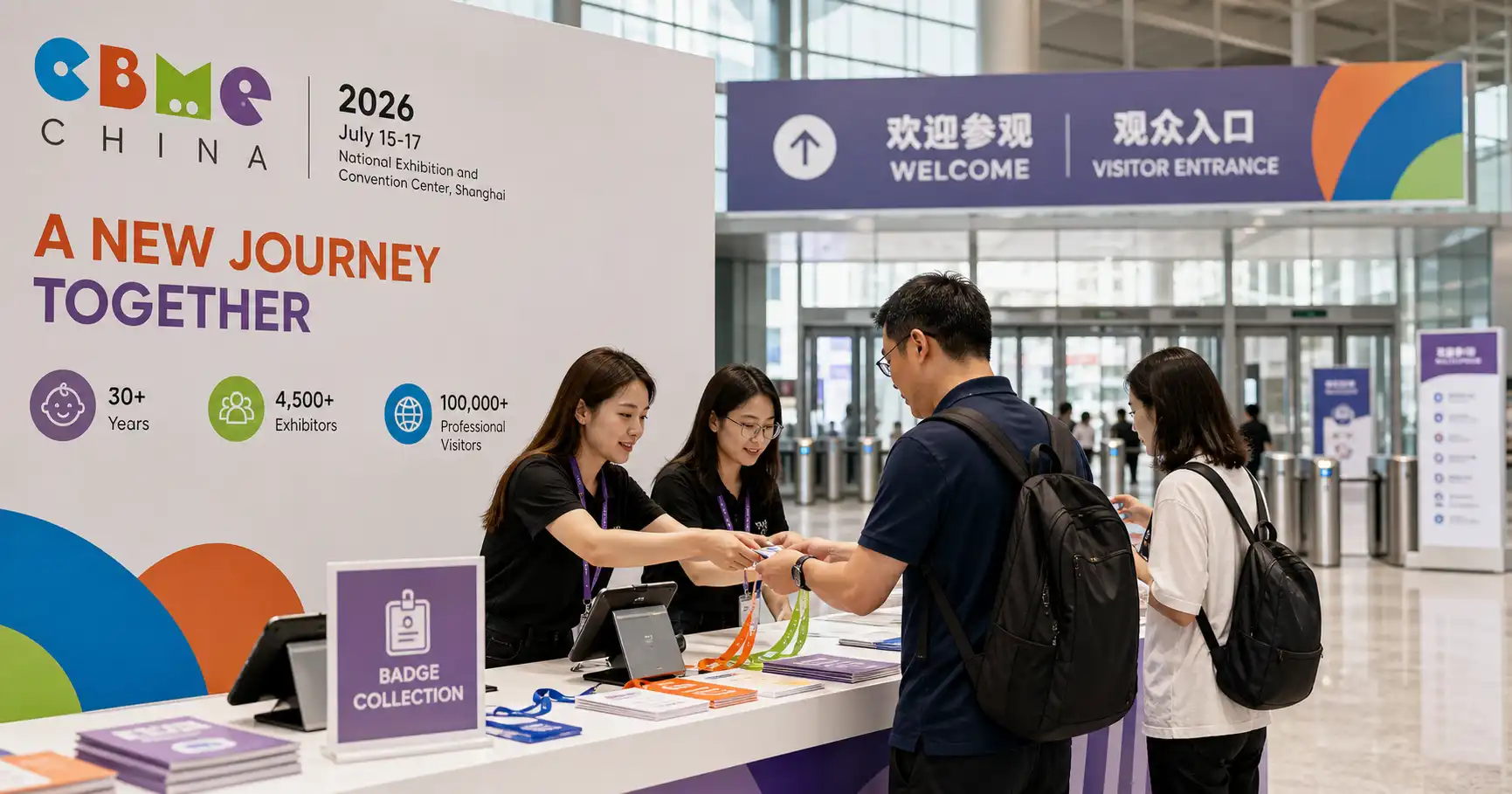
For global buyers looking to source toy manufacturers in China, finding a reliable partner means understanding factory types, licensing requirements, and certification standards — all in one place. CBME China 2026, running July 15–17 at the National Exhibition and Convention Center (Shanghai), brings together 3,200+ exhibitors — including a dedicated CBME Toy & Education Expo hall — to make that connection possible in a single visit.
The concurrent Licensing Expo China further expands sourcing opportunities for buyers interested in character-licensed merchandise, connecting brand owners directly with FAMA-certified factories capable of producing officially licensed toys for global markets.
CBME China 2026
- Date: July 15–17, 2026
- Venue: National Exhibition and Convention Center (NECC), Shanghai, China
- Toy & Education Expo: Dedicated hall for puzzle toys, plush toys, educational toys, electronic toys
- Concurrent: Licensing Expo China, CBME Children’s Wear Expo, CBME Food & Health Expo
- Scale: 4,500+ brands, 100,000+ trade buyers, ~300,000 m²
- Admission: RMB 100 (waived with pre-registration)
Why China Leads Global Toy Manufacturing
China’s dominance in toy manufacturing is not accidental — it results from decades of infrastructure development, supply chain clustering, and a skilled workforce. Major production hubs are concentrated in Guangdong (especially the Pearl River Delta), Zhejiang, Jiangsu, and Shandong, where suppliers range from small family-run workshops to large-scale automated factories capable of producing millions of units per year.
The ecosystem supports three distinct sourcing models:
- OEM (Original Equipment Manufacturing): The buyer owns the design; the factory manufactures to buyer specifications.
- ODM (Original Design Manufacturing): The factory provides both design and manufacturing; the buyer adds branding.
- Licensed production: Factories with IP holder approvals — such as FAMA certification for Disney-branded merchandise — manufacture officially licensed merchandise.
For global buyers, OEM offers maximum brand control. ODM is faster to market with lower upfront investment. Licensed production unlocks premium pricing but requires additional compliance steps.
Toy Categories at CBME China 2026
CBME China 2026 dedicates 10.7% of its exhibitor categories to toys, study tables, stationery, and educational products, spanning the CBME Toy & Education Expo hall. The hall covers:
- Puzzle toys and educational toys: STEM kits, Montessori materials, logic puzzles
- Plush toys and stuffed characters: From standard plush to AI-enhanced interactive plush with app connectivity
- Indoor toys: Board games, building blocks, craft sets
- Children’s toys: Action figures, dolls, vehicle models
- Electronic and smart toys: App-connected toys, voice-interactive devices
With 4,500+ participating brands and 100,000+ trade buyers converging across approximately 300,000 m² of exhibition space, CBME China lets buyers evaluate manufacturers from dozens of toy categories under one roof — a logistical feat that no online sourcing platform can replicate.

Understanding OEM vs. ODM for Toys
One of the first decisions global buyers face is choosing between OEM and ODM arrangements. CBME China exhibitors include both types, and the distinction shapes your sourcing strategy.
OEM (Original Equipment Manufacturing): You provide the product design, technical specifications, and packaging artwork. The factory manufactures to your exact requirements. This model suits buyers with established brand guidelines, proprietary designs, or products requiring specific market compliance. OEM typically involves higher tooling costs and longer lead times but gives the buyer full intellectual property control.
ODM (Original Design Manufacturing): The factory offers existing product designs that you rebrand and sell under your own label. ODM is faster to market and requires lower upfront investment, making it well suited for buyers entering the market for the first time, testing new categories, or sourcing private label toys.
Many CBME China toy factories offer flexible arrangements — starting with ODM to validate market interest, then transitioning to OEM as your brand scales.
Character Licensing and IP Considerations
For buyers looking to source character-licensed toys — whether for Disney, Minions, Toy Story, Kingdom Hearts, or other major IP — the licensing process introduces specific requirements beyond standard manufacturing agreements.
FAMA (Facility and Merchandise Authorization): Any factory producing Disney-branded merchandise must hold a valid Disney FAMA certification. This authorization confirms the factory has been audited for compliance with Disney’s quality, labor, and safety standards. Buyers sourcing licensed toys from China must verify that their chosen factory holds the relevant FAMA for the specific IP they intend to produce.
The licensing process typically involves:
- Securing a license agreement directly with the IP holder or through an authorized licensing agent.
- Identifying FAMA-certified factories capable of meeting production specifications.
- Negotiating royalty structures, which typically range from 5–20% of wholesale pricing depending on the IP and product type.
- Coordinating production oversight and quality control through the IP holder’s compliance team.
CBME China’s concurrent Licensing Expo China connects brand owners and licensing agents with FAMA-certified factories, streamlining a discovery process that typically requires months of independent research.
AI-Integrated and Smart Toys: The Emerging Segment
The AI toy segment is gaining rapid traction in China. Alibaba sourcing data shows a 5x increase in buyer interest for AI-enhanced plush toys and a 3.75x increase in searches for toys with chatbot features. Factories in the Guangdong and Zhejiang clusters are increasingly offering smart toy production lines — including voice interaction, app connectivity, and adaptive learning features. For buyers exploring the next generation of children’s products, CBME Toy & Education Expo is where these emerging manufacturers present their latest developments.
Toy Certifications for Export
Exporting toys to major markets requires meeting country-specific safety and quality certifications. Buyers sourcing toy manufacturers in China should verify that their supplier has documented experience with the following standards:
United States
- ASTM F963: The mandatory federal safety standard for toys sold in the U.S. Covers mechanical, physical, flammability, and chemical requirements.
- CPSIA compliance: Requires third-party testing for lead and phthalates, with specific limits for total lead content (100 ppm).
European Union
- EN71: The EU toy safety standard covering mechanical properties, flammability, chemical properties, and age labeling.
- CE marking: Required for toys sold in the EU; indicates conformity with EU safety, health, and environmental requirements.
Australia
- AS/NZS 8124: The Australian/New Zealand toy safety standard, aligned with EN71 with local variations.
Buyers should request test reports and certification documentation directly from the factory before placing orders. CBME China’s Supplier Verification Services help connect buyers with exhibitors holding relevant certifications for their target export markets.
Finding and Vetting Toy Manufacturers at CBME China 2026
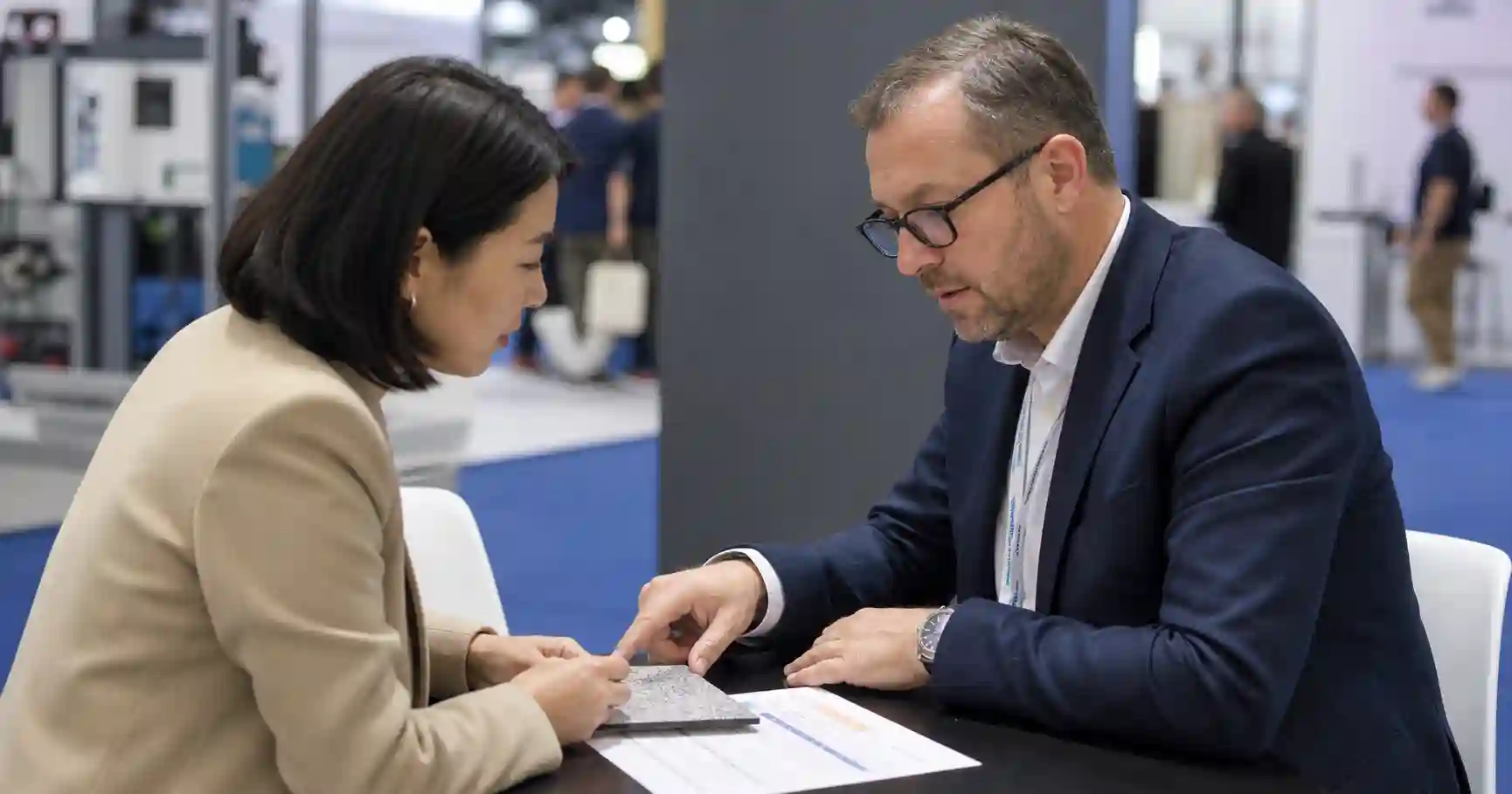
The trade show environment offers advantages that no online platform can match when it comes to supplier vetting. Face-to-face conversations reveal factory professionalism, communication capability, and production sophistication in ways that digital correspondence cannot.
A practical approach for buyers visiting the CBME Toy & Education Expo hall:
- Pre-register for CBME China 2026 to waive the RMB 100 admission fee and access the hosted buyer matchmaking service.
- Review the exhibitor list in advance to identify manufacturers in target categories — plush toys, electronic toys, educational toys, or licensed products.
- Prepare a supplier evaluation checklist covering production capacity, export experience, certification portfolio, and quality control processes.
- Request factory visits during the show or arrange follow-up meetings at the exhibitor’s facility after the event.
- Verify FAMA status directly with any factory producing or intending to produce licensed merchandise.
The CBME China hosted buyer program connects qualified international buyers with pre-screened suppliers through structured matchmaking appointments — saving days of independent research.
Frequently Asked Questions: Toy Sourcing from China
How do I verify a Chinese toy manufacturer’s legitimacy?
Request business licenses, export documentation, and third-party verification reports. At CBME China, use the hosted buyer program and Supplier Verification Services to connect with pre-screened exhibitors. Verify FAMA status directly with the IP holder for any licensed production.
What certifications do toys need to enter the U.S. and EU markets?
U.S. market entry requires ASTM F963 compliance and CPSIA third-party testing. EU market entry requires EN71 testing and CE marking. Verify certification status with each factory before signing agreements.
What is the typical minimum order quantity for Chinese toy factories?
MOQs vary by product type and factory. Basic plush toys may start at 500–1,000 units; injection-molded electronic toys often require 2,000–5,000 units per order. ODM arrangements through CBME factories frequently allow smaller initial orders to test market demand.
Can I source licensed toys from China at CBME China?
Yes. The concurrent Licensing Expo China connects buyers with FAMA-certified factories authorized to produce licensed merchandise. You must secure your license agreement directly with the IP holder or authorized agent before engaging production.
How does CBME China help with toy sourcing?
CBME China 2026 runs July 15–17 at NECC Shanghai, with a dedicated CBME Toy & Education Expo hall featuring 3,200+ exhibitors across toy, educational, and licensing categories. The hosted buyer matchmaking program connects qualified buyers with pre-screened suppliers through structured appointments. Pre-registration waives the RMB 100 admission fee.
What is the difference between OEM and ODM toy manufacturing in China?
OEM (Original Equipment Manufacturing) means the buyer owns the design and the factory manufactures to exact specifications. ODM (Original Design Manufacturing) means the factory provides the design and the buyer adds their own branding. OEM offers full IP control but higher upfront costs. ODM is faster to market with lower investment.
Official Sources
- About CBME China — Event history, concurrent events, official exhibit categories
- Why Visit CBME China — Exhibitor categories, visitor numbers, sourcing platform
- CBME China Get to Venue — NECC Shanghai transport and accommodation
- CBME China Product Spotlight — Monthly curated product previews
Published by CBME China Editorial Team
Last reviewed: June 13, 2026 | Published: June 13, 2026 | Publisher: CBME China, a division of Informa | Contact the editorial team
Ready to source toy manufacturers in China?