
This guide breaks down the four main retail channel types available to baby product brands entering China: offline retail, e-commerce platforms, social commerce, and distributor networks. Understanding how each channel works will help you make informed decisions about where to position your products and how to scale your business in the world’s largest baby products market.
CBME China 2026
- Date: July 15-17, 2026
- Venue: National Exhibition and Convention Center (NECC), Shanghai
- Categories: Baby & Maternity Products, Suppliers, Retail Channels
- Register: Register to Visit
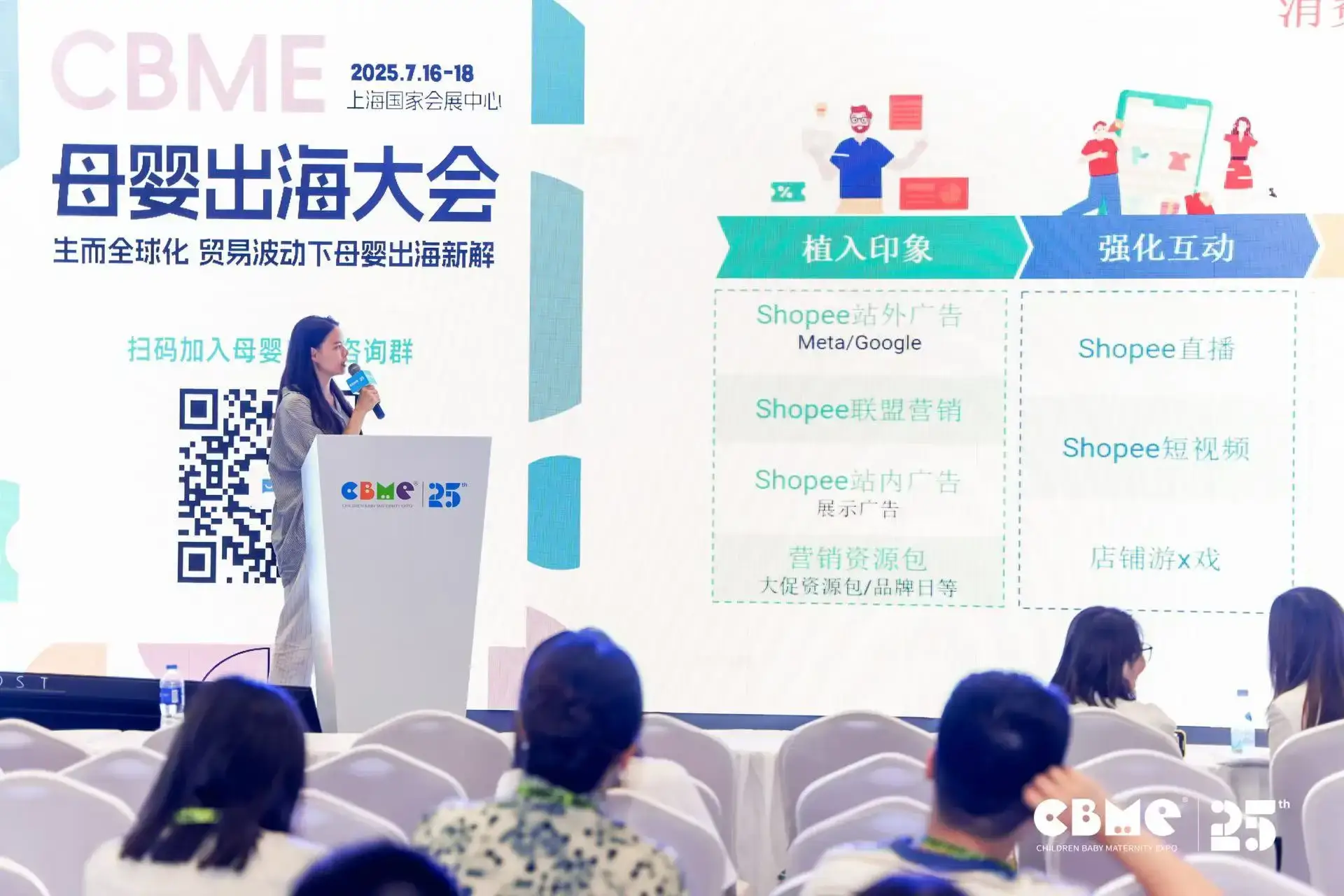 Scenes from CBME China 2025; use as channel planning reference for your China market entry strategy. © CBME China
China’s Baby Retail Market at a Glance
China’s baby and maternity products market represents one of the world’s most dynamic retail landscapes. With rising disposable incomes and urban parents increasingly prioritizing quality and safety, the market continues to evolve rapidly. Understanding this market requires recognizing that China maintains strong offline retail alongside leading e-commerce and social commerce ecosystems simultaneously.
What makes China’s retail landscape unique is the simultaneous coexistence of multiple channel types. Unlike Western markets where e-commerce has largely displaced physical retail, China maintains robust offline channels while also leading the world in social and live-stream commerce. For baby products specifically, parents often research online but prefer to touch and feel items before purchase, especially for items like strollers, car seats, and cribs.
Understanding this hybrid behavior is essential. Your channel strategy should not be “either/or” but rather an integrated approach that leverages the strengths of each retail format.
Offline Retail Channels
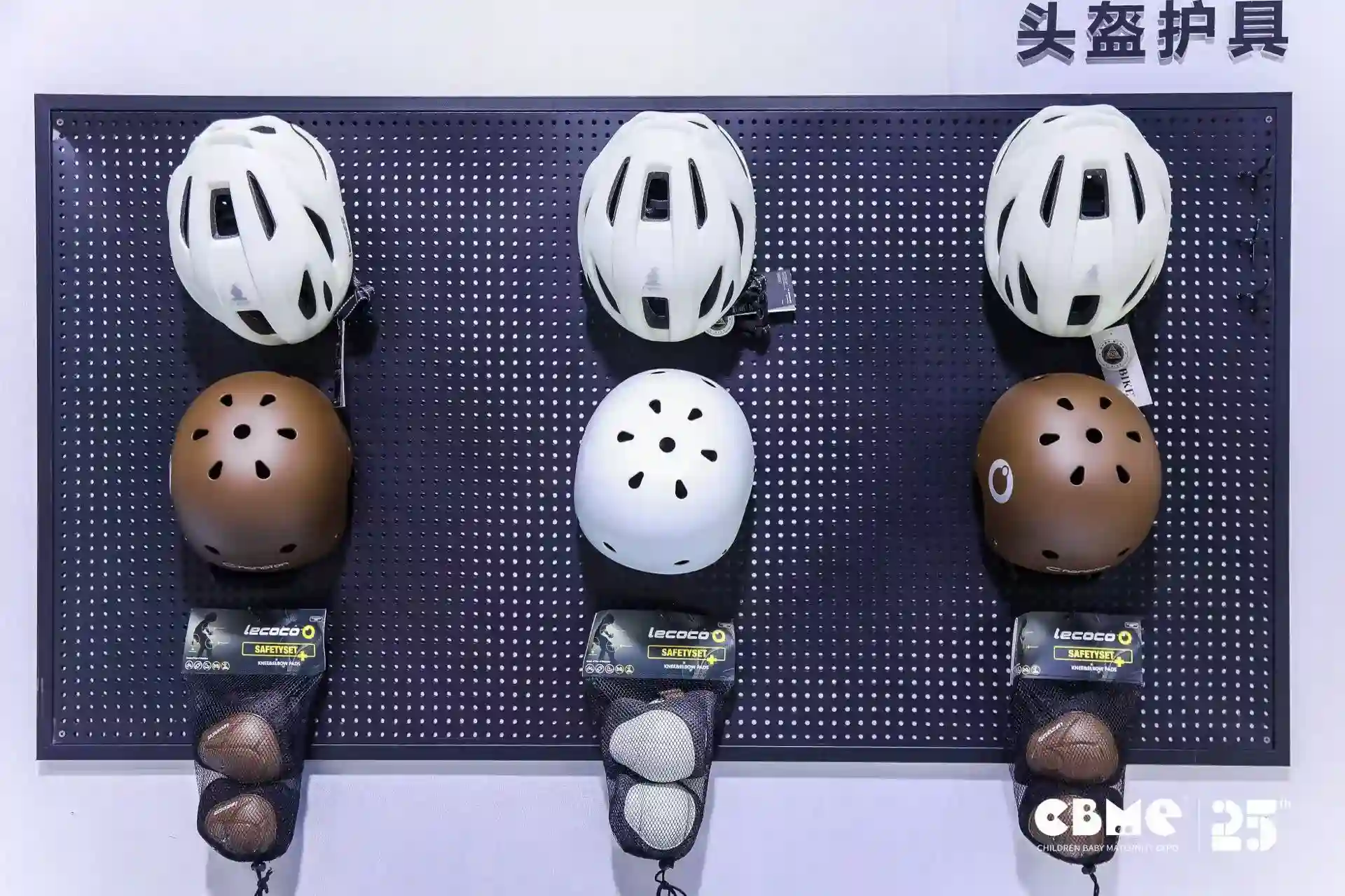 Scenes from CBME China 2025; products represent retail-ready inventory for channel planning. © CBME China
Mother and Baby Specialty Stores
Mother and baby specialty stores remain a cornerstone of baby product retail in China. Major chains including Kidswant (孩子王), Babibest (爱婴室), and Love Angels specialize exclusively in pregnancy and child-related products, offering everything from diapers and formula to strollers and nursery furniture (source: CBME China official site).
Key characteristics:
- Store sizes typically ranging from 500–2,000 square meters
- Product categories include food, apparel, gear, toys, and skincare
- Staff trained to provide parenting advice alongside product guidance
- Located in shopping malls or standalone buildings in high-traffic areas
These stores are excellent for brand visibility and allow parents to test products before purchase. For international brands, appearing in these chains signals market legitimacy and reaches customers during the critical pregnancy and early parenting journey.
Department Stores and Supermarkets
Large retailers like Walmart China, CR Vanguard, and department store chains have dedicated baby product sections. These channels appeal to convenience-driven shoppers who prefer one-stop purchasing.
Key characteristics:
- Broader geographic reach than specialty stores
- Often used for high-frequency purchases (diapers, formula, wipes)
- Competitive pricing through volume purchasing arrangements
- Less specialized staff knowledge compared to specialty stores
Pharmacy Chains
Pharmacy chains have expanded into baby health and wellness products. These channels are particularly important for nutritional supplements, medical-grade skincare, and products that require professional recommendation.
Key characteristics:
- Strong trust factor due to healthcare association
- Staff can provide product guidance aligned with health concerns
- Often located in residential areas for convenience
- Growing focus on premium and organic baby products
E-commerce Channels
Tmall and JD.com
Tmall (owned by Alibaba) and JD.com dominate China’s general e-commerce landscape for baby products. Together they account for the majority of online baby product sales in the world’s largest e-commerce market.
Tmall characteristics:
- Marketplace model with brand flagship stores
- Heavy investment in brand marketing and promotional events
- Key event: Double 11 (November 11) shopping festival
- Strong logistics through Cainiao network
JD.com characteristics:
- Self-operated model with more inventory control
- Known for authentic products and reliable delivery
- Strong same-day and next-day delivery in major cities
- Parent-friendly user interface
Both platforms offer dedicated services for overseas brands, including Tmall Global for cross-border sellers and JD Worldwide for imported products (source: CBME China official site).
Douyin E-commerce
Douyin, the Chinese version of TikTok, has emerged as a powerful e-commerce channel. The platform combines entertainment with shopping through short videos and live streams, creating an impulse-driven purchasing experience that resonates particularly well with younger parents.
Key characteristics:
- Strong algorithm-based product discovery
- Live streaming commerce is a major driver of sales
- Lower entry barrier than traditional e-commerce
- KOC (Key Opinion Consumer) marketing is particularly effective
Douyin allows brands to build awareness and convert sales simultaneously. For baby products, demo videos showing product features and parenting tips perform exceptionally well.
Social Commerce
Xiaohongshu (Little Red Book)
Xiaohongshu has become the go-to platform for Chinese parents researching baby products. The lifestyle-sharing platform combines social media with e-commerce, allowing users to share detailed reviews, parenting tips, and product recommendations.
Key characteristics:
- User-generated content drives purchase decisions
- Strong word-of-mouth effect on brand perception
- UGC translates to sales through integrated shopping features
- Appeals to educated, quality-conscious parents
A strong presence on Xiaohongshu can significantly impact brand perception. Brands should encourage authentic user reviews and consider seeding products to influential mom bloggers (referred to as “KOC” or Key Opinion Consumers).
WeChat Mini-Programs
WeChat, with over 1.3 billion monthly active users, offers mini-programs that enable brands to create custom shopping experiences without requiring users to download separate apps.
Key characteristics:
- Direct connection with customers through official accounts
- Loyalty program integration capabilities
- Community building features for brand engagement
- Data collection for marketing personalization
Live Streaming Commerce
Live streaming has revolutionized how baby products are sold in China. Influencers and professional streamers demonstrate products in real-time, answer viewer questions, and offer exclusive deals.
Key characteristics:
- High conversion rates (typically 8–15% for baby products)
- Creates urgency through limited-time offers
- Allows detailed product demonstration
- Builds trust through direct interaction
Consider partnering with established parent influencers or investing in your own live streaming capabilities to reach this engaged audience.
Distributor Networks
China’s vast geography often requires regional distribution partners who understand local market dynamics. Effective distribution strategy requires understanding the tiered city structure.
- Tier 1 cities (Shanghai, Beijing, Guangzhou, Shenzhen): Saturated markets with premium focus
- Tier 2 cities (Chengdu, Wuhan, Hangzhou, Nanjing): Growing middle class with increasing purchasing power
- Tier 3–4 cities and below: Largest growth potential, value-oriented consumer base
Key characteristics of effective distribution partners:
- Established relationships with local retailers
- Deep understanding of regional consumer preferences
- Logistics and inventory management capabilities
- Regulatory compliance expertise at local level
Category Specialists
Some distributors focus exclusively on specific baby product categories—such as infant nutrition, strollers and car seats, or apparel. These specialists bring deep category expertise and established buyer relationships.
Benefits of category specialists:
- Focused market knowledge within specific segments
- Category-specific marketing capabilities
- Network of specialized retail partners
- Expert product positioning and category management
Channel Selection by Product Category
Different product types suit different channels. Understanding where your products fit best will guide your channel strategy:
| Product Category | Primary Channel | Secondary Channel |
|---|---|---|
| Infant formula | E-commerce, pharmacy chains | Mother-baby stores |
| Diapers and wipes | E-commerce, supermarkets | Mother-baby stores |
| Strollers and car seats | Mother-baby stores, specialty | E-commerce |
| Baby apparel | Social commerce, e-commerce | Mother-baby stores |
| Baby skincare | E-commerce, pharmacy chains | Mother-baby stores |
| Baby food and snacks | E-commerce, supermarkets | Pharmacy chains |
| Toys and learning | E-commerce, mother-baby stores | Social commerce |
Source: CBME China Industry Insights (source: CBME China official site)
How CBME China 2026 Helps with Channel Discovery
CBME China serves as the central hub connecting baby product brands with channel partners across all retail formats. The exhibition brings together decision-makers from every channel type:
- Offline retail buyers from major mother-baby chains including Kidswant and regional specialty retailers
- E-commerce platform representatives from Tmall, JD, and Douyin
- Distributors and wholesalers from across China’s regions and city tiers
- Social commerce influencers and agencies looking for quality products to promote
Attending CBME China 2026 gives you the opportunity to meet decision-makers from multiple channel types in a single location. The Hosted Buyer Program can help arrange meetings with relevant channel partners based on your product categories and target markets.
Book a Stand at CBME China 2026 to connect with distributors, retailers, and e-commerce partners representing the full spectrum of China’s baby retail channels.
Frequently Asked Questions
How much does it cost to list products on Tmall or JD.com?
Listing fees vary by platform and product category. Tmall flagship stores typically require a deposit (RMB 50,000–100,000), annual technical service fee (ranging from RMB 30,000–60,000), and commission on sales (3–5%). JD.com has similar structures. Both platforms offer self-service options for smaller brands and dedicated support for larger partners.
Do I need a Chinese business license to sell baby products in China?
Yes, selling physical products in China generally requires a Chinese business entity. However, cross-border e-commerce through platforms like Tmall Global allows overseas brands to sell without establishing a local entity, though with some restrictions on product categories and marketing activities.
What is the best channel for premium baby products?
Premium baby products perform well across multiple channels, but Xiaohongshu and mother-baby specialty stores tend to be most effective for building premium brand perception. Live streaming commerce on Douyin can also work well when positioned with appropriate pricing and messaging that emphasizes quality over discounts.
How important is social commerce for baby products?
Social commerce is increasingly essential for baby products. Chinese parents heavily rely on peer recommendations and user reviews before making purchasing decisions. A strong Xiaohongshu presence and relationships with mom influencers can significantly impact brand success, particularly for first-time parents who lack personal experience with products.
Can small international brands compete in the China market?
Yes, but success often depends on finding the right niche and channel fit. Smaller brands should consider starting with cross-border e-commerce platforms, building social media presence, and targeting tier 2–3 cities where competition may be less intense than in major metropolitan areas.
Official Sources
- About CBME China — Event information
- Why Visit CBME China — Buyer value proposition
- Industry Insights — Market intelligence
Published by CBME China Editorial Team
Last reviewed: June 23, 2026 | Published: June 23, 2026 | Publisher: CBME China, a division of Informa
Ready to explore China’s baby retail channels firsthand?
Download the CBME China Product Spotlight for introductions to verified suppliers and channel partners attending CBME China 2026.
Register to Visit CBME China 2026 to meet with distributors, e-commerce representatives, and retail buyers from July 15–17 at NECC Shanghai.


