
The global baby and children’s products market is experiencing a shift in aesthetic preferences. Increasingly, parents worldwide are drawn to the clean lines, natural materials, and calming color palettes characteristic of Japanese and Korean design. This “Asian aesthetic” trend—sometimes called “Japandi” when blending Japanese and Scandinavian influences, or influenced by the soft, nurturing qualities of Korean design—represents a significant opportunity for brands and retailers seeking differentiated products.
Chinese manufacturers have responded to this demand by developing sophisticated production capabilities that can deliver these distinctive aesthetic qualities at competitive price points. This article explores the Asian aesthetic trend in baby and kids products, the product categories where it appears most strongly, and how global buyers can source these products at CBME China 2026.

CBME China 2026
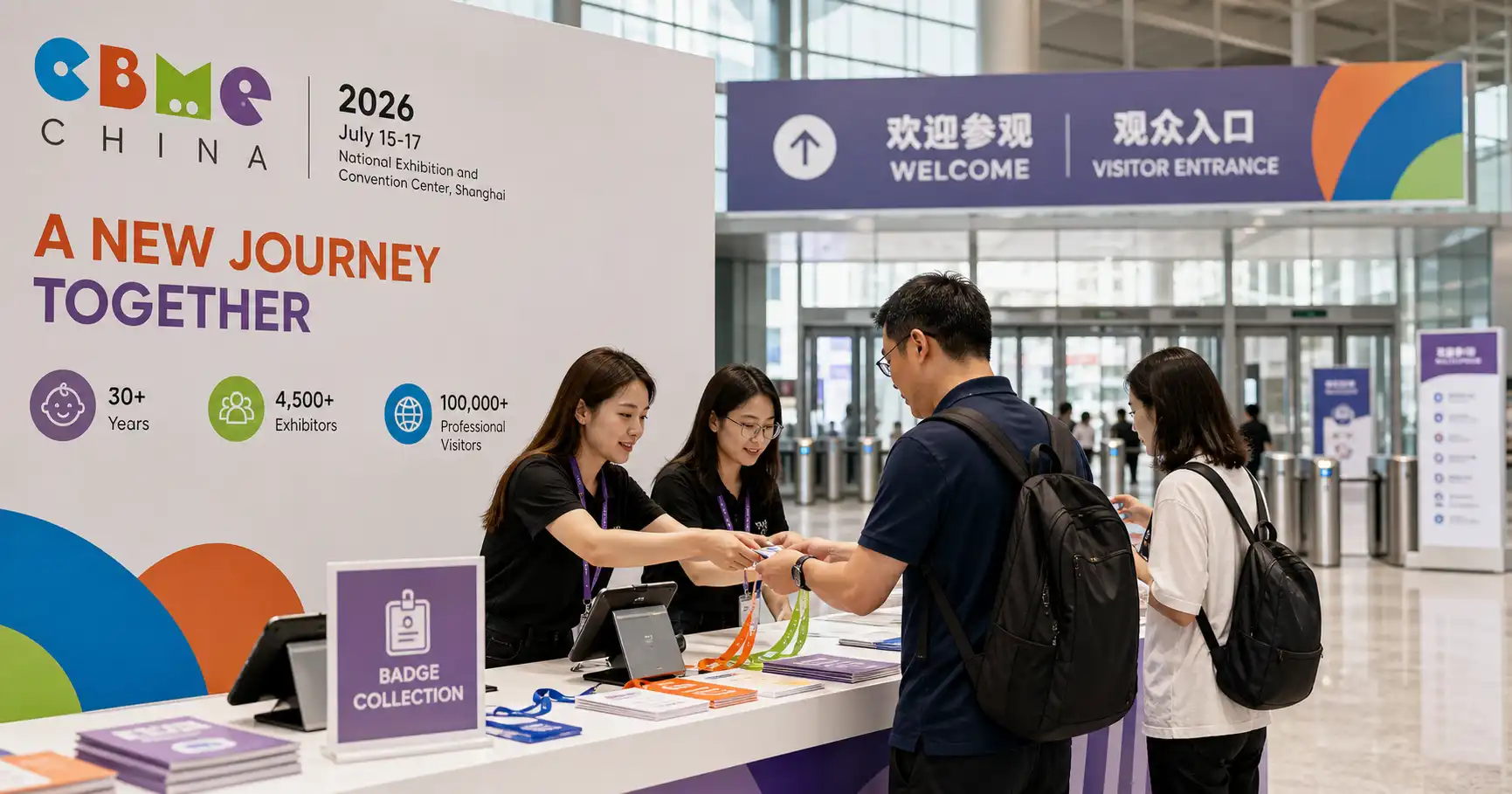
- Date: July 15-17, 2026
- Venue: National Exhibition and Convention Center (NECC), Shanghai
- Focus: Asian Aesthetic Baby & Kids Products Sourcing
- Register: Register to Visit
Understanding the Asian Aesthetic Trend
Japanese Minimalism in Baby Products
Japanese design philosophy emphasizes simplicity, functionality, and harmony with nature. In baby and children’s products, this translates to:
- Clean lines and uncluttered designs that create calm environments
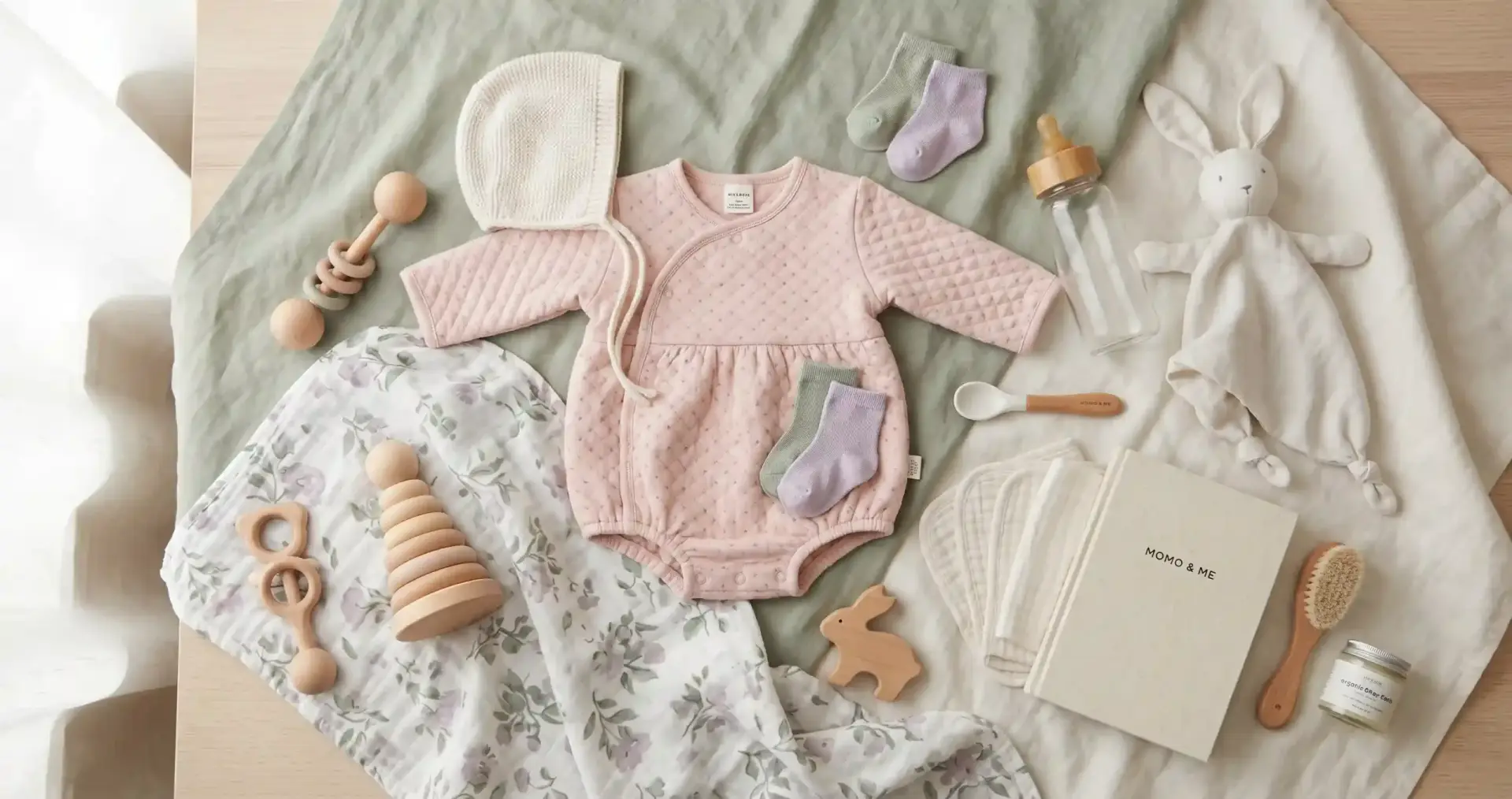
- Natural materials such as organic cotton, bamboo, and wood
- Muted, earthy color palettes including soft grays, warm whites, sage greens, and terracotta
- Minimal ornamentation that prioritizes function without sacrificing beauty
- Attention to craftsmanship and quality of construction
This aesthetic appeals particularly to parents who value intentional living and creating nurturing environments for their children. The Japanese concept of “wabi-sabi”—finding beauty in simplicity and imperfection—has influenced nursery design and baby product preferences globally. At CBME China 2025, exhibitors in Halls 3.1 and 4.1 showcased extensive ranges of Japanese-inspired baby apparel and nursery furniture, reflecting the strong demand from both domestic and international buyers.
Korean Soft Aesthetic
Korean design influence, often called the “K-aesthetic,” brings its own distinctive qualities to baby and children’s products:
- Soft, nurturing color palettes including pastel pinks, lavenders, soft blues, and creamy yellows
- Cute and friendly design elements that remain sophisticated
- High-quality fabrics and textiles with attention to texture
- Thoughtful details such as delicate embroidery and gentle prints
- Influence from K-beauty extending to gentle, natural baby skincare
Korean design has gained significant global recognition through Korean entertainment and lifestyle content. This cultural export has increased awareness of Korean aesthetic preferences, including their approach to children’s products, which balances cute appeal with refined taste. Chinese manufacturers at CBME China have increasingly adopted K-beauty principles in their baby skincare lines, producing gentle formulations with aesthetic packaging that appeals to the global market.
The Pastel Nursery Movement
Both Japanese and Korean aesthetics intersect in the broader “pastel nursery” movement that has gained momentum internationally:
- Soft, gender-neutral color schemes moving beyond traditional pink/blue divisions
- Natural wood tones complementing pastel accents
- Linen and cotton textiles in their natural states
- Minimalist furniture with rounded edges and gentle forms
- Plants and natural elements bringing life to indoor spaces
This aesthetic works particularly well for Instagram-worthy nursery photography, driving social media influence on purchasing decisions. Parents seeking to create “Instagrammable” spaces often gravitate toward Asian-influenced designs. Chinese manufacturers in Zhejiang and Jiangsu provinces have developed specialized production lines for pastel-toned nursery furniture and accessories, serving both the growing domestic Chinese market and export clients.
Product Categories with Strong Asian Aesthetic Appeal
Baby Apparel and Sleepwear
Asian-influenced baby clothing emphasizes comfort, quality fabrics, and understated elegance:
- Kimono-inspired wrapping garments and sleepwear
- Simple cotton rompers in muted tones
- Natural fiber clothing including linen and organic cotton
- Minimalist designs with subtle details rather than bold graphics
- Coordinated sets that mix and match within neutral palettes
Chinese manufacturers have developed particular expertise in producing baby sleepwear and everyday apparel that captures these aesthetic qualities while meeting international safety standards. Manufacturers from Guangdong and Fujian provinces showcased extensive ranges of Japanese-inspired baby apparel at CBME China 2025, with several exhibiting in the 5.1 Hall’s baby fashion zone.
Nursery Decor and Furniture
The Asian aesthetic translates beautifully to nursery design:
- Minimalist cribs with clean wood profiles
- Low-profile storage solutions that maintain visual calm
- Soft lighting including paper lanterns and wooden night lights
- Natural fiber rugs in muted colors
- Plant displays and nature-inspired wall art
Many Chinese manufacturers specializing in baby furniture have developed lines specifically designed for the Asian aesthetic market, with some producing for both domestic Chinese consumers and export markets. Shanghai-based manufacturers and those in the Yangtze River Delta region have particularly strong capabilities in minimalist nursery furniture production.
Baby Skincare and Bath
The K-beauty influence is particularly strong in baby skincare:
- Gentle, minimal-ingredient formulations inspired by Korean skincare philosophy
- Natural and organic certifications aligning with clean living values
- Aesthetically pleasing packaging in pastel colors and minimalist designs
- Multi-use products that simplify the skincare routine
- Gentle textures including jelly and foam formulations
Chinese OEM manufacturers have responded to global demand for K-beauty inspired baby products, producing formulations for both domestic brands and international clients. Several manufacturers at CBME China 2025 displayed baby skincare lines with ingredient lists of 10 or fewer items, targeting parents concerned about product safety and transparency.
Feeding Accessories
The Asian aesthetic extends to baby feeding products:
- Minimalist high chairs with clean wood frames
- Ceramic and bamboo feeding bowls in natural finishes
- Soft silicone utensils in muted pastel colors
- Simple bib designs prioritizing functionality and aesthetics
- Minimalist plate and cup sets without busy patterns
These products appeal to parents who value both form and function, creating a cohesive aesthetic throughout the baby’s environment. Manufacturers in the Guangdong region have developed particular expertise in silicone and bamboo feeding products with Asian-inspired color palettes.
Why Chinese Manufacturers Excel at Asian Aesthetic Products
Manufacturing Capabilities
Chinese manufacturers have developed sophisticated capabilities for producing Asian aesthetic baby products:
- Design expertise: Many manufacturers employ designers trained in Japanese or Korean aesthetic principles, or work closely with design studios that specialize in these styles. Manufacturers in Shanghai, Hangzhou, and Shenzhen have particularly strong design capabilities.
- Material sourcing: Established supply chains for natural materials including organic cotton, bamboo fiber, FSC-certified wood, and natural rubber. Zhejiang and Jiangsu provinces host specialized textile mills producing GOTS and OEKO-TEX certified organic cotton.
- Quality control: Enhanced quality management systems that meet international standards for baby products, including CPSIA, CE, and EN71 requirements.
- Scalability: Production capabilities ranging from small custom orders of 300-500 units for emerging brands to large-scale manufacturing for established retailers.
Cost Advantages
Producing Asian aesthetic products in China offers significant cost advantages:
- Lower production costs compared to manufacturing in Japan or Korea, typically 40-60% savings
- Competitive pricing for materials and components through established supply chains
- Efficient supply chains reducing overall product costs by 20-30% compared to other Asian manufacturing hubs
- Flexibility in order quantities through established supplier networks
These savings can be passed to consumers or reinvested in other areas of the business, making Asian aesthetic baby products accessible to a broader market. A buyer from a European retail chain noted at CBME China 2025 that they achieved 50% cost savings compared to their previous Korean suppliers while maintaining equivalent quality standards.
Download the CBME China Product Spotlight to connect with verified Asian aesthetic product manufacturers before the show.
Quality Standards
Chinese manufacturers serving the export market maintain rigorous quality standards:
- International certifications for safety and quality management, including ISO 9001, BSCI, and Sedex
- Third-party testing available for all major markets through SGS, Bureau Veritas, and Intertek
- Factory audits conducted by international inspection companies
- Traceability systems for raw materials and components
Many manufacturers have developed specific production lines dedicated to export-quality products, ensuring consistent quality across orders. Over 200 manufacturers at CBME China 2025 held multiple international certifications, demonstrating their commitment to meeting global quality standards.
Sourcing Tips for Asian Aesthetic Baby Products
What to Look for in Suppliers
When evaluating Chinese manufacturers for Asian aesthetic baby products, consider:
- Portfolio review: Examine the manufacturer’s existing product range for evidence of Asian aesthetic experience. Ask specifically about their Japanese and Korean market experience.
- Material certifications: Verify certifications for natural and organic materials, including GOTS, OEKO-TEX, and FSC certifications.
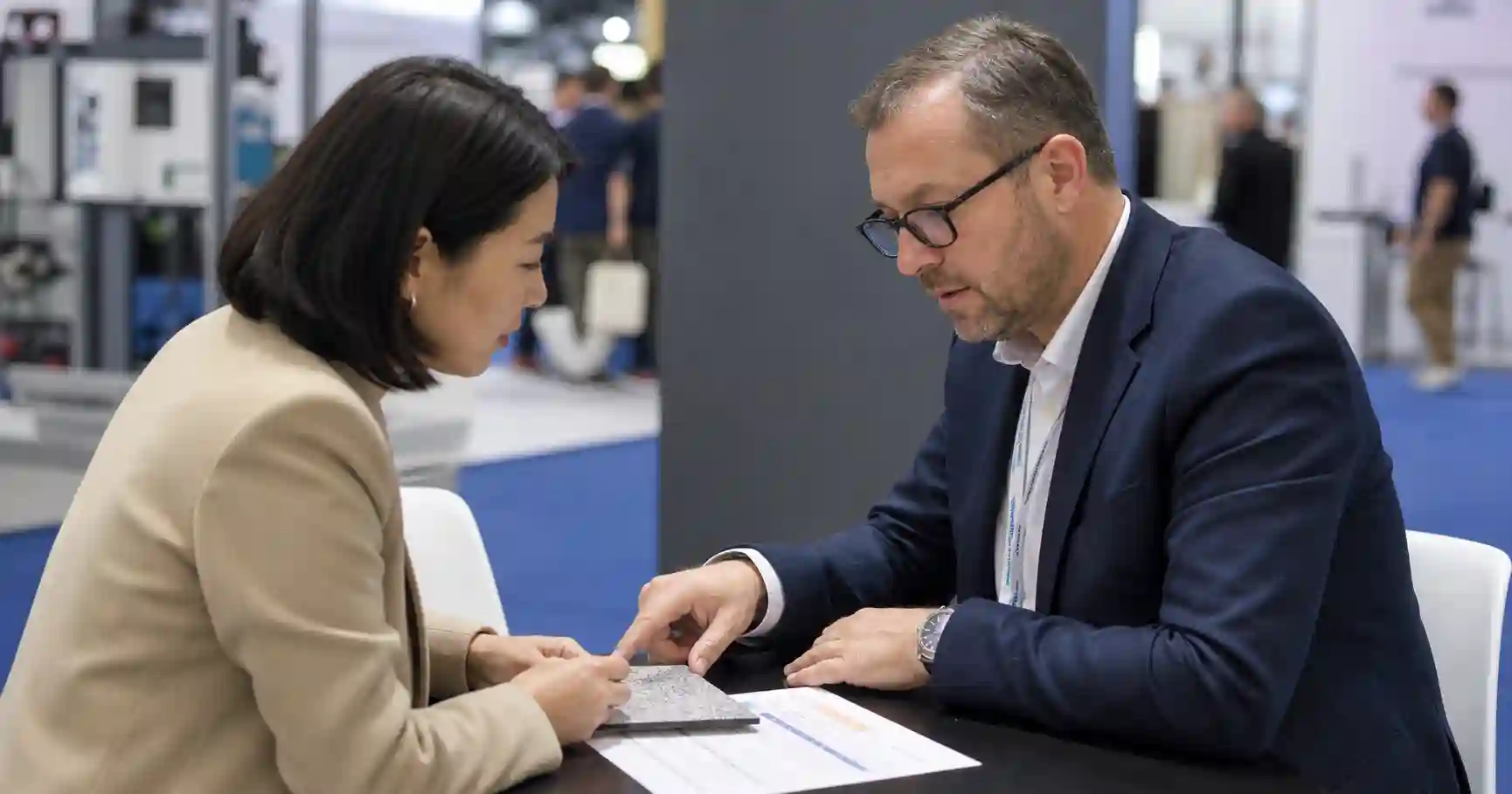
- Sample quality: Order samples before placing production orders. Pay attention to material feel, construction quality, and color accuracy.
- Communication: Ensure the manufacturer understands and can execute your design vision. Request mood boards and reference images.
- Production capabilities: Confirm the manufacturer can produce your target quantities while maintaining quality standards and aesthetic consistency.
Design Inspiration and Reference
To effectively communicate your aesthetic requirements:
- Compile visual references including photos from Japanese and Korean brands such as Uniqlo Kids, Maternity & Baby, and Kiddy
- Specify color codes using Pantone or other standard systems
- Provide material samples when seeking specific textures or finishes
- Describe desired feelings in addition to technical specifications
- Request manufacturer suggestions based on their experience with Asian aesthetic production
Sampling and Customization
The sampling process is critical for aesthetic products:
- Initial concept discussion to align on vision and possibilities
- Technical specification review covering materials, colors, and dimensions
- Proto sample development to test basic concept execution
- Pre-production sample matching final specifications
- Bulk production approval based on pre-production sample quality
Plan adequate time for sampling—typically 4–8 weeks for custom aesthetic products. Budget for 2-3 sampling rounds to refine details.
How CBME China 2026 Helps with Sourcing
CBME China 2026 provides a direct connection to manufacturers producing Asian aesthetic baby products:
- Dedicated product zones featuring suppliers across all relevant categories, including Hall 5.1 for baby fashion and Hall 3.1 for nursery furniture
- Pre-arranged matchmaking through the Hosted Buyer Program for buyers seeking specific aesthetic suppliers
- Product Spotlight resources for identifying manufacturers with relevant capabilities in Japanese and Korean aesthetic production
- On-site factory visits organized for serious sourcing partners
The exhibition brings together suppliers from across China, including manufacturers from regions with strong textile and manufacturing traditions that support Asian aesthetic production, including Shanghai, Zhejiang, Jiangsu, Guangdong, and Fujian provinces.
Book a Stand at CBME China 2026 and showcase your Asian aesthetic products to qualified buyers from around the world.
Frequently Asked Questions
How do I ensure Chinese manufacturers can deliver authentic Asian aesthetics?
Look for manufacturers with demonstrated experience producing for Japanese or Korean brands, or those with dedicated design teams trained in Asian aesthetic principles. Reviewing their portfolio, requesting case studies of past Asian aesthetic projects, and ordering samples before committing to production is essential. Ask specifically about their experience with Japanese minimalist or Korean soft aesthetic product lines.
What is the typical MOQ for custom Asian aesthetic baby products?
Minimum order quantities vary by manufacturer and product type, but typically range from 500–2,000 units per style for apparel and 100–500 units for furniture. Some manufacturers offer lower MOQs of 200-300 units for established designs with customization options. Premium manufacturers may have higher MOQs of 1,000+ units for highly customized aesthetic products.
Are Chinese manufacturers producing Asian aesthetic products at comparable quality to Japanese or Korean brands?
Yes, many Chinese manufacturers produce products for Japanese and Korean brands under OEM arrangements. Quality depends on the manufacturer’s capabilities, your specifications, and your quality control process. Requesting samples and verifying certifications is the best way to ensure quality meets your standards. Several Chinese manufacturers at CBME China produce exclusively for export to Japan and South Korea.
How do I protect my designs when working with Chinese manufacturers?
Work with manufacturers who sign non-disclosure agreements before sharing detailed designs. Consider working with established manufacturers with strong reputations for protecting client intellectual property. Register your designs in relevant markets (Japan, South Korea, your home country) before production. Many CBME-exhibiting manufacturers have established protocols for IP protection for international clients.
What certifications should Asian aesthetic baby products have for international markets?
Essential certifications typically include CPSIA compliance for the US market, CE marking for Europe, AS/NZS standards for Australia, and CCC for China. Natural and organic material claims should be verified through recognized certification bodies including GOTS, OEKO-TEX, and FSC. Japanese market requirements include PSE safety testing, while Korean market requires KC certification.
Official Sources
Published by CBME China Editorial Team
Last reviewed: June 23, 2026 | Published: June 23, 2026 | Publisher: CBME China, a division of Informa
Ready to source Asian aesthetic baby products?
Download the CBME China Product Spotlight for introductions to manufacturers producing Japanese and Korean style baby products.
Contact CBME to discuss your sourcing requirements and connect with qualified suppliers.
Children’s Wear and Baby Clothing Manufacturers in China