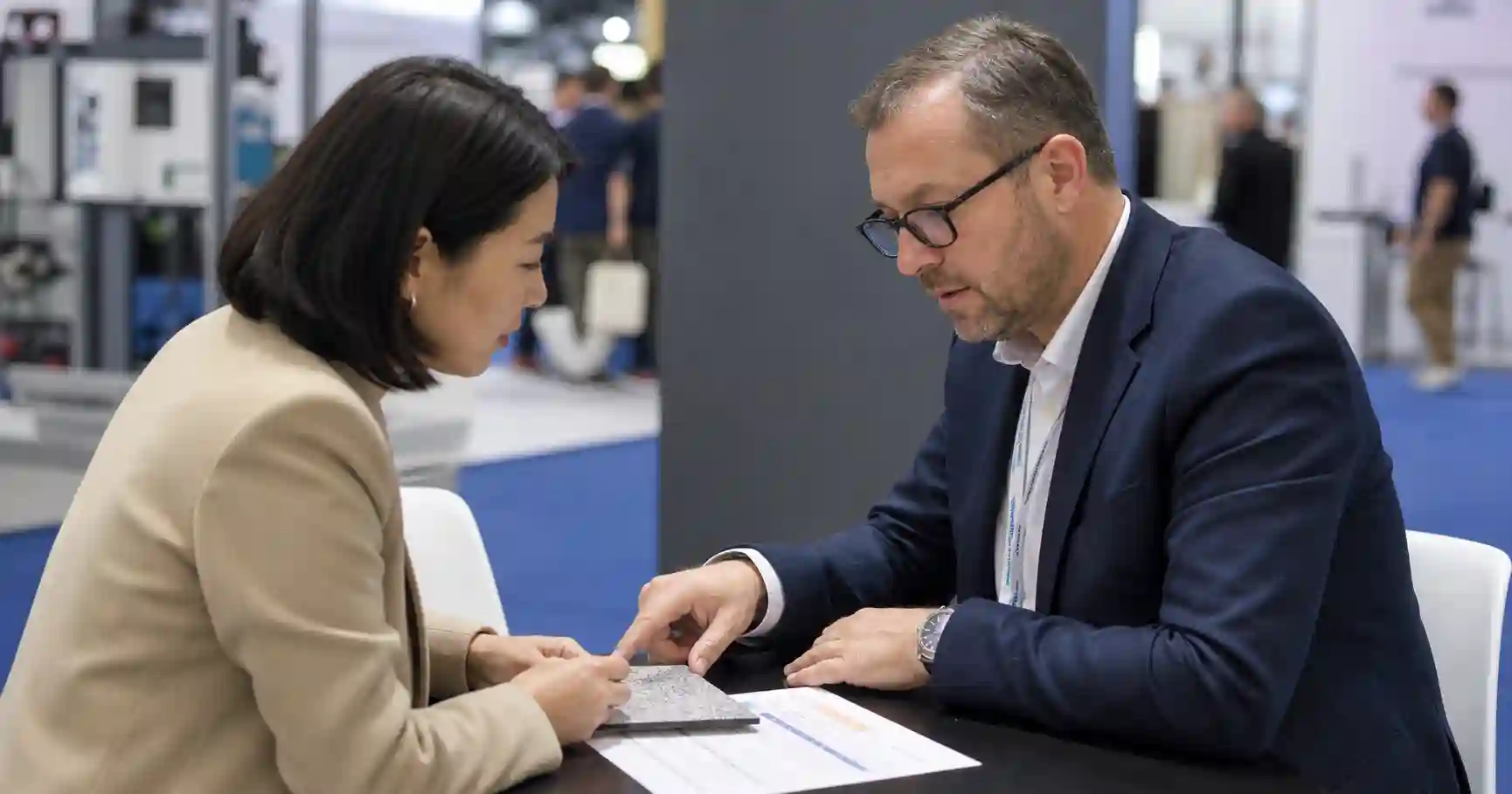
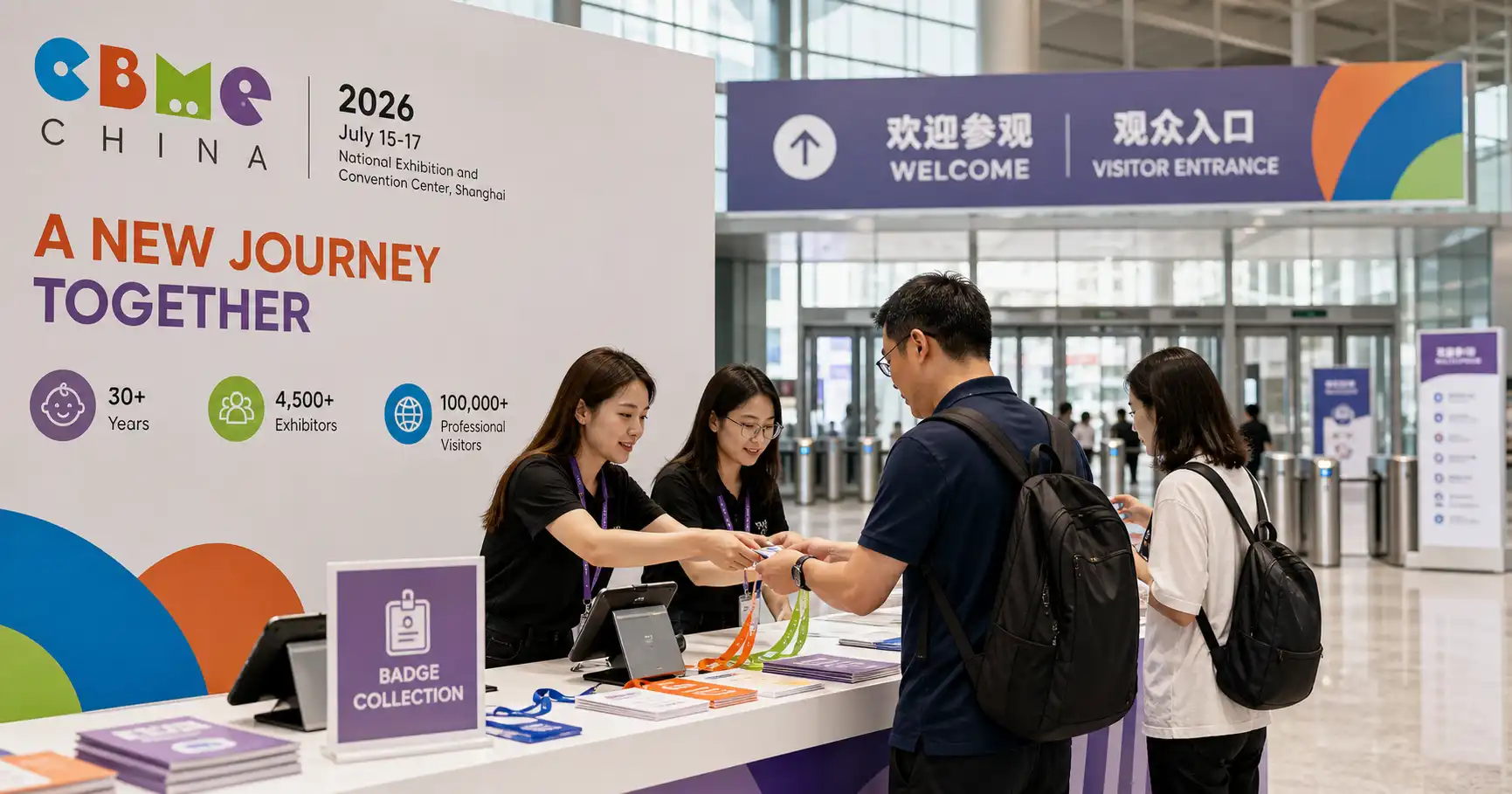
2026 kids sportswear sourcing infographic: from product categories through Chinese manufacturing hubs to CBME China 2026 sourcing. © CBME China
Major global football tournaments create a powerful ripple effect across children’s apparel. With the 2026 men’s football championship scheduled to take place across North American host cities from June through July 2026, sports-themed kidswear is entering a high-visibility sales window. Parents and young fans are looking for jersey-inspired everyday wear, team-color outfits, and performance fabrics their children can wear both on and off the pitch.
For global buyers, importers, and brand owners, this is the moment to source tournament-aligned inventory. Chinese manufacturers — particularly those in Guangdong, Fujian, and Zhejiang provinces — produce the majority of the world’s sportswear, including a growing share of football-inspired kidswear. CBME China 2026 (July 15-17, 2026, NECC Shanghai) brings these manufacturers together with international buyers, making it the most efficient sourcing event for the 2026-2027 sportswear sales cycle.
 Scenes from CBME China 2025: kids sportswear display featuring football jerseys and athletic apparel. © CBME China
CBME China 2026
- Date: July 15-17, 2026
- Venue: National Exhibition and Convention Center (NECC), Shanghai
- Focus: Kids Sportswear, Athletic Apparel & Football-Inspired Products
- Register: Register to Visit
The 2026 Global Sports Calendar and Its Impact on Kidswear
Major Football Events of 2026
The 2026 football calendar is one of the most active in recent memory. The men’s senior tournament, scheduled for June-July 2026, is the headline event, with matches hosted across 16 cities in the United States, Canada, and Mexico. Beyond the men’s tournament, the 2026 calendar includes youth and women’s competitions, continental qualifiers, and club competitions that all influence kidswear demand.
Merchandise Cycle Dynamics
Major football tournaments create predictable merchandise cycles. The peak demand window typically opens 4-6 weeks before kickoff and extends through the tournament, with secondary demand during back-to-school and holiday seasons. For buyers, this means production lead times must align with the pre-tournament stocking period — usually February through May for a summer tournament.
Why Kids Sportswear Sells Beyond the Tournament
Football fandom among children extends well beyond the four-year cycle. Parents buy team-color and jersey-inspired apparel as everyday wear, not just for tournament viewing. This is why sports-inspired kidswear has become a permanent category rather than a periodic spike. Athleisure, training gear, and casual sportswear for children represent a stable year-round demand floor that major events amplify.
Kids Sportswear Trends Shaped by Major Football Events
Jersey-Inspired Everyday Wear
The single largest sportswear category for kids is jersey-inspired everyday apparel. These are not official tournament merchandise but rather fashion-forward pieces that borrow the visual language of football kits: bold color blocks, contrast collars and cuffs, large back numbers, and team-inspired striping.
Key product features include:
- Bright primary color blocks in team-color palettes (red, blue, yellow, green)
- Contrast collars and sleeve cuffs mimicking kit construction
- Large back numbers (customizable to any number, avoiding specific player references)
- Striped or chevron patterns in national color combinations
- Replica-style cuts for boys and girls, including modern fitted silhouettes
Football Activewear and Training Kits
Beyond casual jersey-inspired wear, there is strong demand for actual football activewear — the apparel children wear to play the sport. This includes training jerseys, shorts, socks, and complete kit sets designed for grassroots and youth football.
Key product features include:
- Moisture-wicking polyester for sweat management
- Breathable mesh paneling in high-sweat zones
- Quick-dry finishes for repeated use and washing
- Stretch fabric blends allowing full range of motion
- Reinforced stitching at stress points for durability
Athleisure and Off-Field Sportswear
The athleisure trend has fully extended into children’s wear. Joggers, hoodies, track jackets, and sports-inspired casual pieces now form a core part of kids’ wardrobes. Football tournaments accelerate this category by normalizing sportswear as everyday attire.
Key product features include:
- Soft fleece and French terry for hoodies and joggers
- Tapered fits for a modern, sporty silhouette
- Coordinated sets (matching top and bottom in team colors)
- Versatile layering pieces suitable for school, sport, and casual wear
Country-Color and Team-Color Palettes
While buyers cannot use specific national team logos or crests, country-inspired color palettes are fully available. Manufacturers can produce apparel in any color combination, allowing buyers to capture the visual appeal of team merchandise while avoiding trademark issues.
Popular 2026 color directions include:
- Classic red and white combinations
- Blue and gold palettes
- Yellow and green tropical combinations
- Black and white minimalist sport palettes
- Multi-color gradient designs for fashion-forward appeal
Product Categories for Kids Sportswear Sourcing
Replica-Style Jerseys and Tops
The category leader in volume. Buyers can source short-sleeve and long-sleeve jerseys in cotton-poly blends or performance fabrics, with options for screen printing, sublimation, or embroidery of numbers and sponsor-style logos (using buyer’s own brand, not real sponsors).
Football Shorts and Training Bottoms
Matching shorts in coordinating colors complete the kit look. Buyers can source mesh-lined football shorts, training shorts, and casual athletic shorts. Production in tiered sizing from toddler to teen expands the addressable market.
Kids Sports Footwear
While footwear requires specialized manufacturing capabilities, Chinese producers offer kids’ football trainers, indoor soccer shoes, and sports-inspired casual sneakers. Footwear is a complementary category to apparel and is often sourced together for full-kit offerings.
Sports Accessories
The accessories category offers high margins and strong co-purchase rates. Key items include:
- Sports socks in team colors with logo options
- Caps and visors for sun protection on and off the pitch
- Drawstring bags and backpacks in coordinating designs
- Scarves and supporter items for fan culture
- Wristbands and headbands in performance fabrics
Training and Athleisure Sets
Coordinated two-piece and three-piece sets — including track jackets, joggers, and matching tops — represent a growing segment. These are particularly popular for back-to-school and winter seasons when children need warm, comfortable sportswear.
Download the CBME China Product Spotlight to shortlist sportswear manufacturers before the show.
Why Chinese Manufacturers Lead in Kids Sportswear
Established Manufacturing Hubs
China’s sportswear industry is concentrated in three primary regions:
- Guangdong Province (Guangzhou, Dongguan, Shenzhen) — the largest sportswear manufacturing cluster, with capabilities spanning fabric knitting, dyeing, cutting, sewing, and printing
- Fujian Province (Jinjiang, Quanzhou) — historically strong in athletic footwear and sports apparel, with deep supply chains for performance fabrics
- Zhejiang Province (Ningbo, Wenzhou, Yiwu) — known for sports accessories, casual sportswear, and strong export logistics infrastructure
Performance Fabric Expertise
Chinese manufacturers have developed deep expertise in performance fabrics commonly used in sportswear:
- Moisture-wicking polyester with capillary action finishes
- Breathable mesh knits for ventilation zones
- Quick-dry treatments for rapid moisture evaporation
- Stretch blends incorporating spandex or elastane
- Recycled polyester options for sustainability-focused buyers
Customization and Speed-to-Market
Chinese sportswear manufacturers offer extensive customization capabilities:
- Sublimation printing for all-over designs without color limitations
- Embroidery for logos, crests, and decorative details
- Heat-press numbering for personalized jerseys
- Custom color dyeing to match specific Pantone references
- Low-MOY sampling with 7-15 day sample turnarounds for established designs
Cost and Scale Advantages
Chinese sportswear manufacturing offers significant cost advantages compared to other sourcing destinations. Apparel production costs in China are typically 30-50% lower than in Eastern Europe or Latin America, with comparable or superior quality for performance fabrics. Production capacity is highly scalable, supporting both small specialty runs and large high-volume orders. For buyers building complete sportswear programs that include footwear, see our guide to Children’s Shoes and Kidswear Trends in China 2026.
Sourcing Tips for Kids Sportswear from China
Navigating IP and Trademark Considerations
The most critical consideration for sports-themed kidswear sourcing is intellectual property. Buyers should:
- Avoid official tournament branding (logos, mascots, official names)
- Use generic sports terminology (“football-inspired”, “team-color”, “jersey-style”)
- Source custom numbers and names rather than player-specific references
- Use buyer’s own brand marks for all logo placements
- Consult IP specialists before launching products in major markets
Working with OEM and ODM Manufacturers
Chinese sportswear manufacturers typically offer two engagement models:
- OEM (Original Equipment Manufacturer): Buyer provides designs, manufacturer produces to specification
- ODM (Original Design Manufacturer): Manufacturer offers existing designs that buyer can customize and brand
For buyers new to sportswear, ODM partnerships provide faster market entry with lower design investment. For established brands, OEM arrangements offer full creative control.
Quality Standards and Certifications
Kids sportswear must meet safety and quality standards in target markets. Key certifications include:
- CPSIA compliance for the US market (lead content, phthalates, flammability)
- CE marking for Europe (REACH, EN71 toy safety where applicable)
- OEKO-TEX Standard 100 for fabric safety (recommended)
- BSCI or Sedex audits for ethical manufacturing verification
- Country-specific labeling requirements (fiber content, care instructions, country of origin)
MOQ and Lead Time Planning
Typical parameters for kids sportswear sourcing from China:
- MOQ per style/color/size: 500-2,000 units
- Sample lead time: 7-15 days for existing designs, 15-30 days for custom
- Bulk production lead time: 30-60 days after sample approval
- Peak season pressure: Q1 (January-March) is busiest as buyers stock for summer tournaments
For the 2026 sales cycle, buyers should have samples approved by Q4 2025 to ensure delivery for spring 2026 retail.
How CBME China 2026 Helps with Sportswear Sourcing
CBME China 2026 (July 15-17, 2026, NECC Shanghai) is a key sourcing event for kids sportswear buyers. The exhibition brings together manufacturers across multiple relevant product zones:
- Hall 5.1 — Children’s wear, including sportswear and casual apparel
- Hall 6.1 — Sports and outdoor products for kids
- Hall 7.1 — Footwear including kids sports shoes
Buyers attending CBME China 2026 can take advantage of several services to streamline sportswear sourcing:
- Pre-show shortlisting through the Product Spotlight feature to identify relevant manufacturers before the show
- Matchmaking services through the Hosted Buyer Program for pre-arranged supplier meetings
- On-site product examination including fabric quality, construction, and customization options
- Direct factory visit coordination for serious sourcing partners
The exhibition’s timing is strategic for the 2026-2027 sales cycle. Buyers placing orders in July can expect delivery for autumn 2026 and back-to-school 2027 seasons, making CBME a critical planning event for sportswear programs.
Book a Stand at CBME China 2026 to showcase your sportswear brand to qualified global buyers, or Download the Product Spotlight to shortlist manufacturers before the show.
Frequently Asked Questions
What kids sportswear trends are most popular in 2026?
Jersey-inspired everyday wear, football training kits, athleisure sets, and team-color coordinated outfits are the leading categories. Buyers see strong demand for products that combine sports aesthetics with everyday comfort, particularly items children can wear to school, practice, and casual outings.
What is the typical MOQ for custom kids sportswear from China?
Minimum order quantities typically range from 500 to 2,000 units per style-color-size combination. ODM (existing design) options often have lower MOQs starting at 200-500 units. Custom OEM production with buyer-supplied designs generally requires 1,000+ units for cost-effective pricing.
How can I legally sell sports-themed kidswear without IP issues?
Focus on generic sports terminology and avoid official tournament branding. Use terms like “football-inspired”, “team-color”, and “jersey-style” rather than referencing specific tournaments, teams, or players. Source custom numbers and names (avoiding real player names and numbers), use your own brand marks, and avoid national team logos or crests. Consult IP specialists in your target markets before launching products.
What is the production lead time for kids sportswear?
Sample development typically takes 7-15 days for existing designs or 15-30 days for custom designs. Bulk production lead time is 30-60 days after sample approval, depending on order complexity and factory capacity. For tournament-aligned delivery, plan to have samples approved at least 4-5 months before your target retail date.
What quality certifications should kids sportswear meet?
For the US market, CPSIA compliance is essential. For Europe, CE marking and REACH compliance are required. OEKO-TEX Standard 100 certification is recommended for fabric safety. For buyers prioritizing ethical sourcing, BSCI or Sedex factory audits provide social compliance verification. Performance claims (moisture-wicking, quick-dry) should be backed by testing reports from recognized laboratories.
Official Sources
- CBME China Official Site
- Why Visit CBME China
- Featured Product Spotlight
- Hosted Buyer Program
- Get to Venue
Published by CBME China Editorial Team
Last reviewed: June 24, 2026 | Published: June 24, 2026 | Publisher: CBME China, a division of Informa
Ready to source kids sportswear for the 2026 season?
Book a Stand at CBME China 2026 to showcase your sportswear brand to qualified global buyers from over 100 countries.
Download the CBME China Product Spotlight to shortlist sportswear manufacturers before the show.
Register to Visit CBME China 2026 to discover sportswear manufacturers across all product zones.
Related Articles
- Children’s Wear and Baby Clothing Manufacturers in China (Day 22)
- Children’s Shoes and Kidswear Trends in China 2026 (Day 23)
- How to Source Baby Products from China: A Guide for Global Buyers (Day 4)
- Private Label Baby Products in China: What Retailers Should Know (Day 7)
- Kidswear and Children’s Shoes Trends from CBME China 2026 (Day 48)